
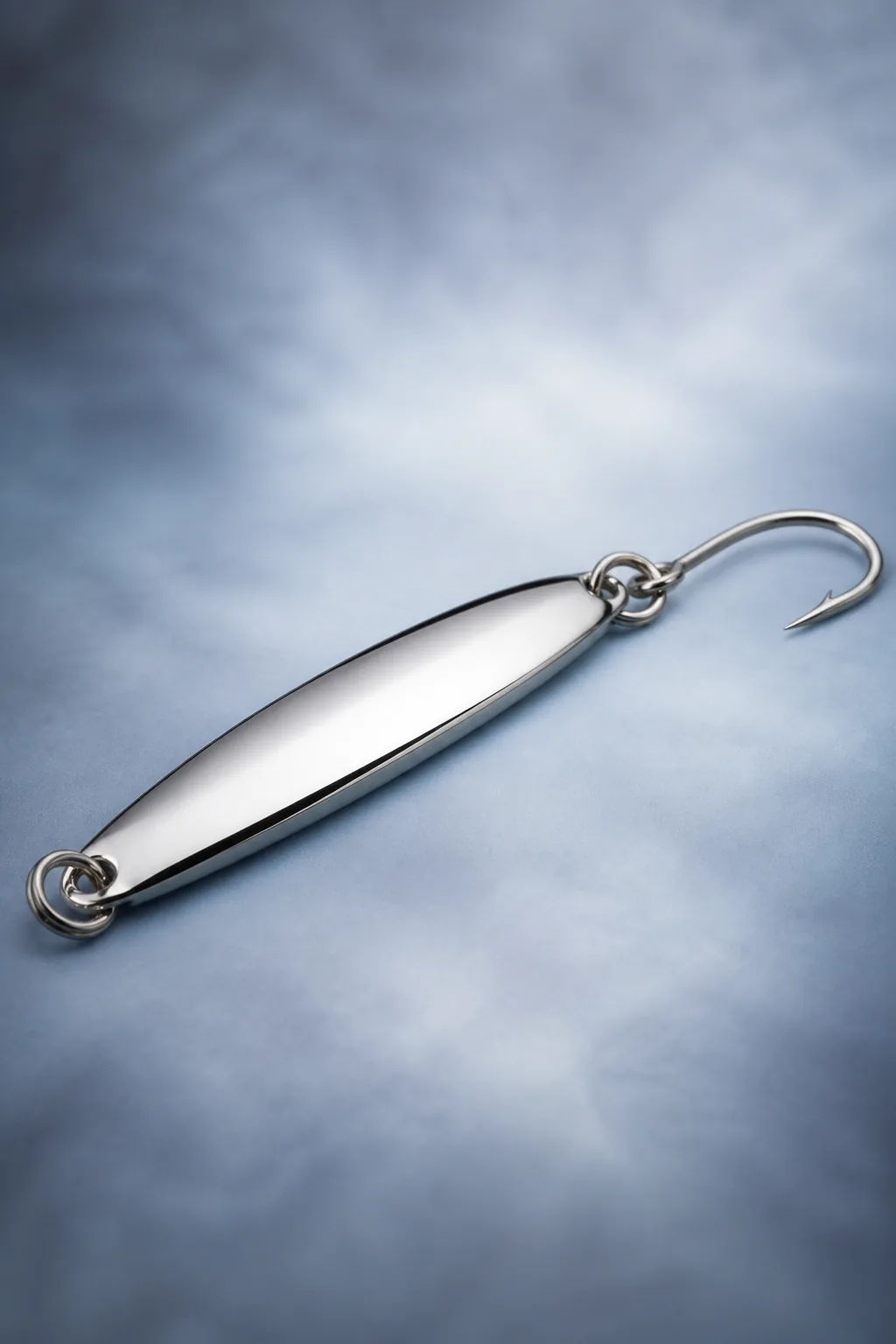
West Coast saltwater
Tady Lures metal jigs.
Hand-finished West Coast metal jigs tuned for surface iron casting, yo-yo drops, and slow-pitch flutter when tuna, yellowtail, and calico bass push bait against kelp and canyon walls.
From the classic Tady 45 surface iron to the 4/0 yo-yo and TSP slow-pitch line, every profile is shaped for the retrieve anglers actually fish off San Diego, Catalina, and Baja.
- 3
- Core models
- Iron
- Surface cast
- Yo-Yo
- Vertical rip
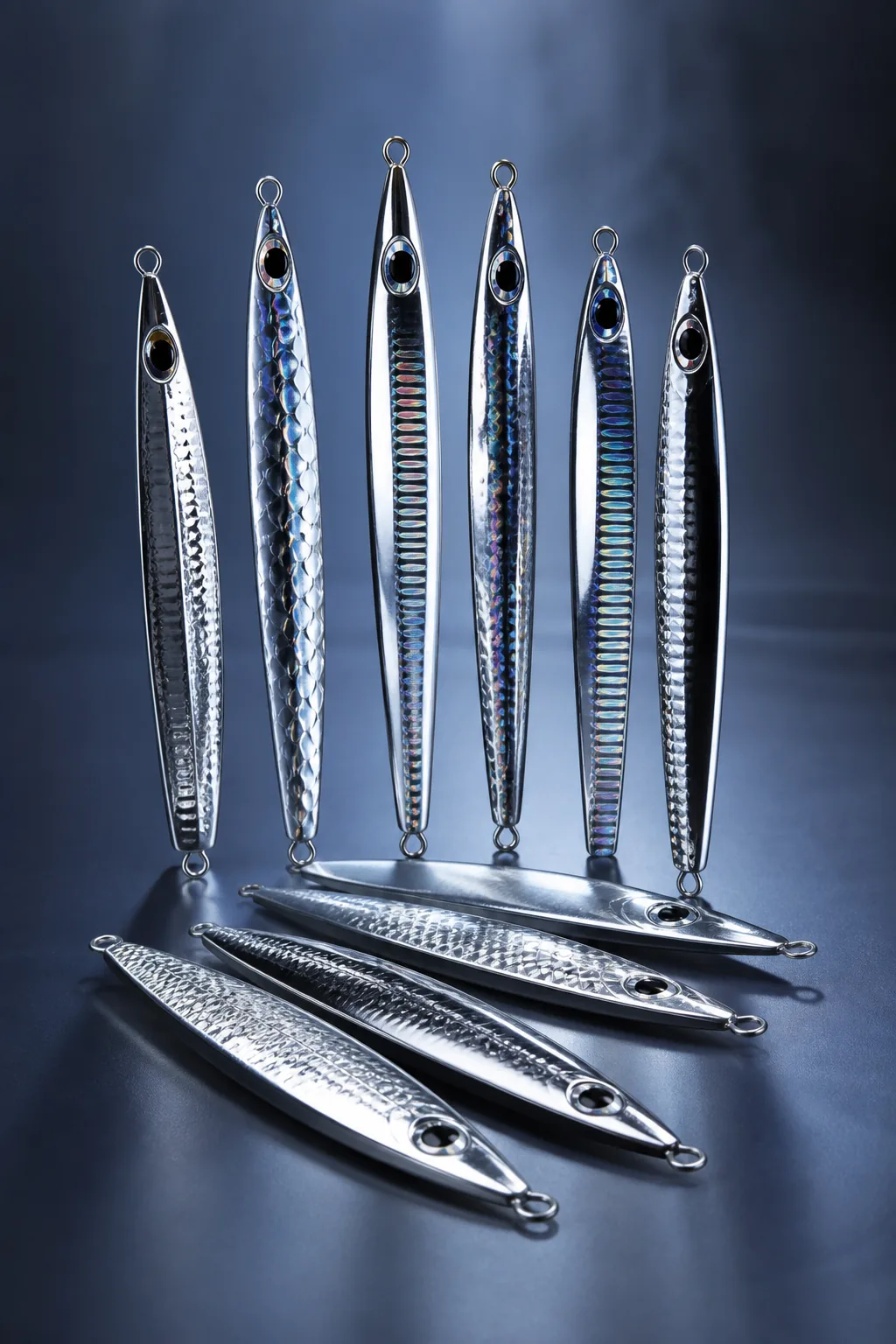
Deck favorite
Tady 45 surface iron
Techniques
Pick your retrieve.
Three West Coast staples cover most saltwater seasons — each with a jig profile matched to how fish eat.
Surface Iron
Long casts and blistering retrieves when tuna and yellowtail crash bait on top.
Learn casting →Yo-Yo Jigging
Heavy drops and sharp lifts through kelp lines and mid-column tuna schools.
Learn yo-yo →Slow Pitch
Controlled falls and flutter for calico bass, rockfish, and picky bottom feeders.
Learn slow pitch →Bestsellers
Jigs decks reach for first.
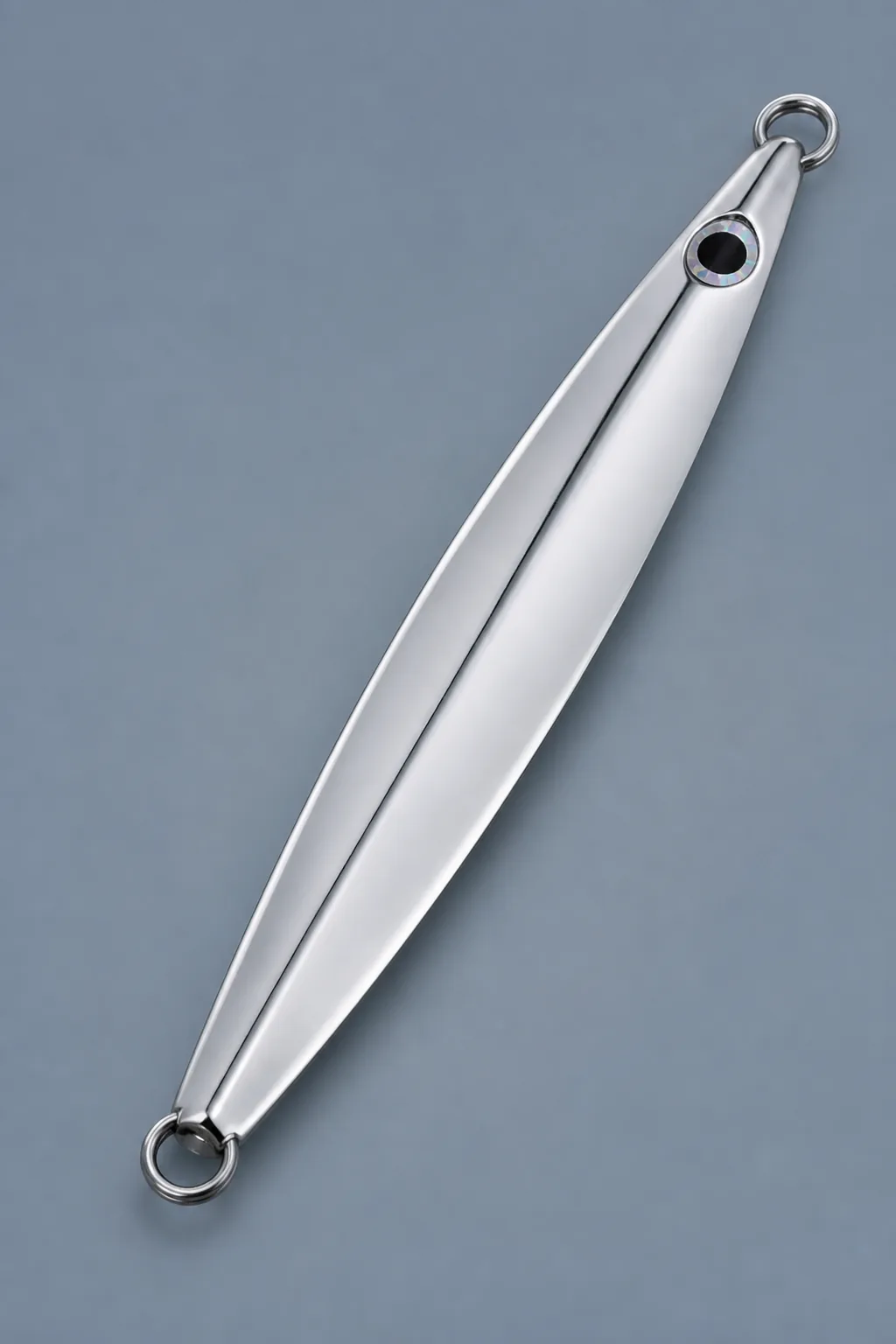
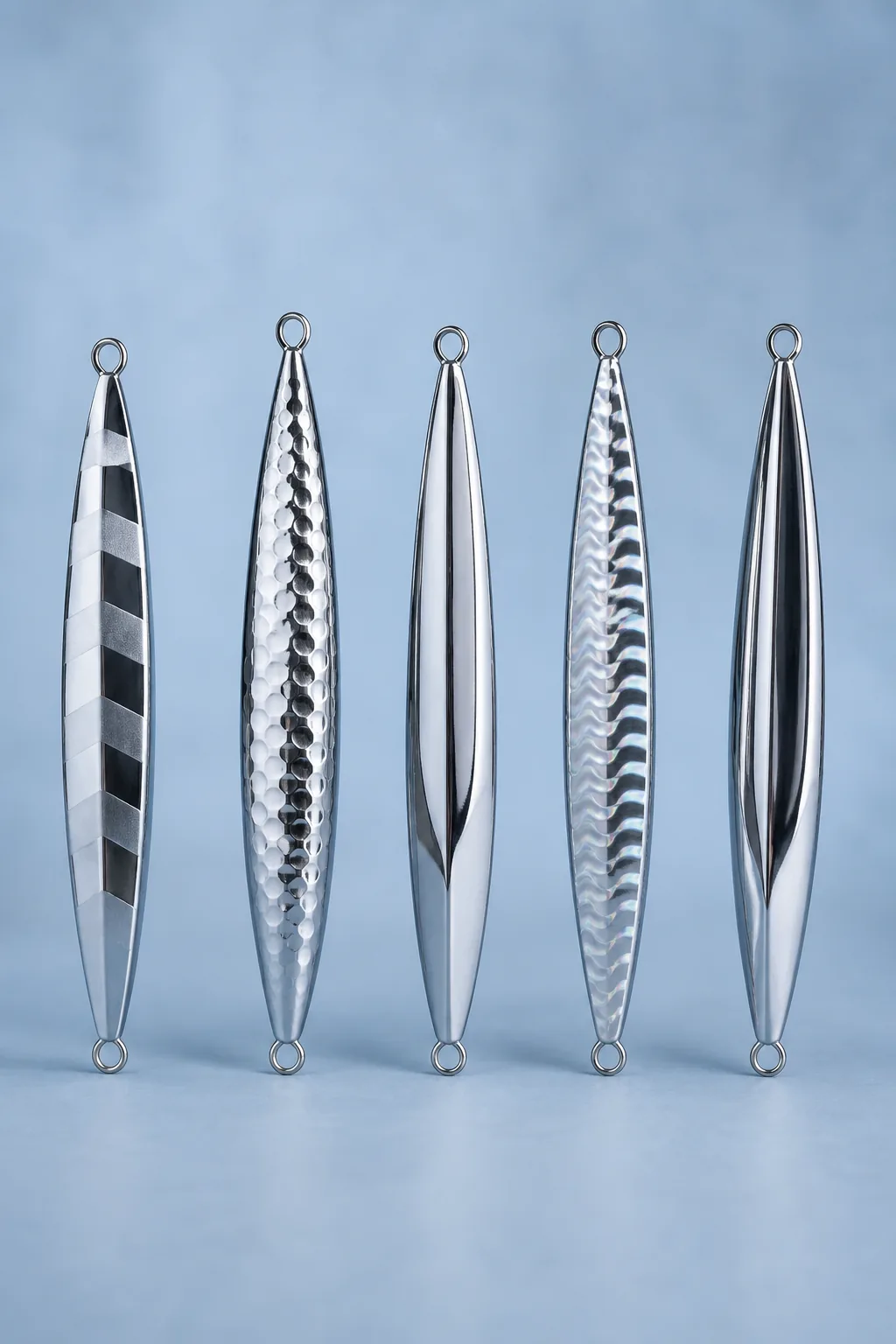
These four profiles cover the majority of Southern California and Baja seasons. Each model lists weight class and primary technique so you can match the jig to the bite.
Why Tady
Iron that earns
every cast.
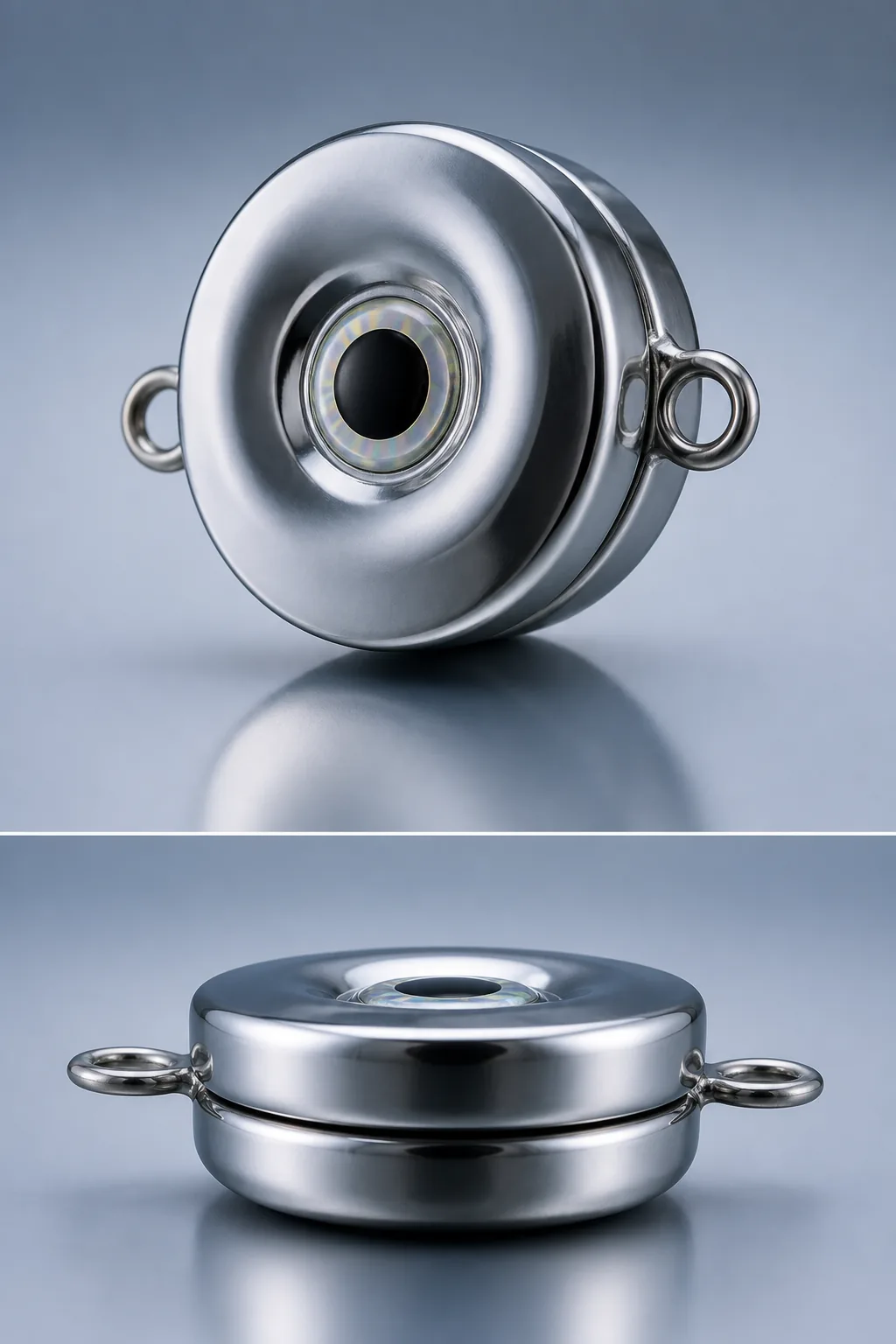
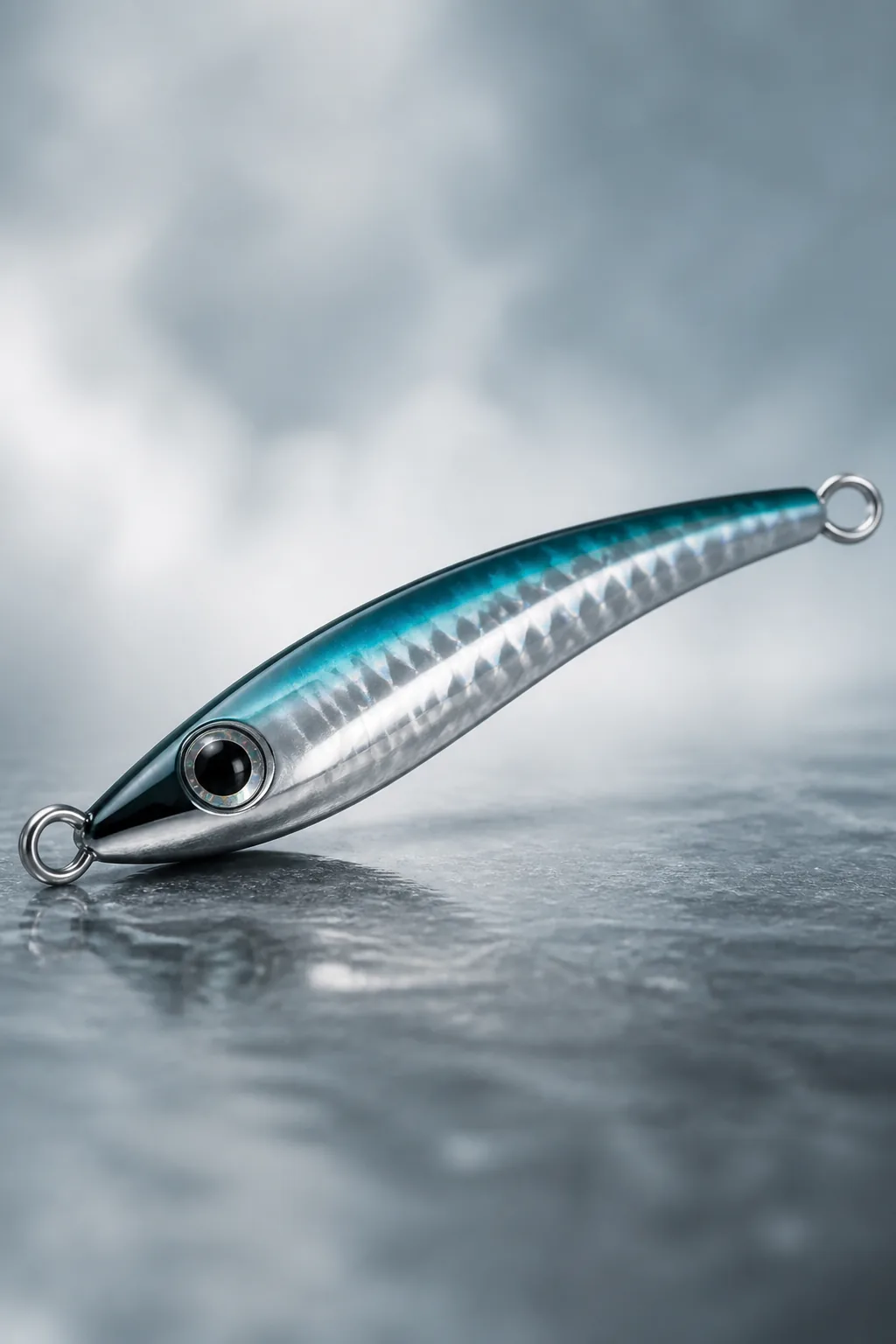
Tady Lures grew out of Southern California party-boat culture, where anglers needed jigs that cast far, track straight, and survive repeated yo-yo strikes from hard-charging yellowtail.
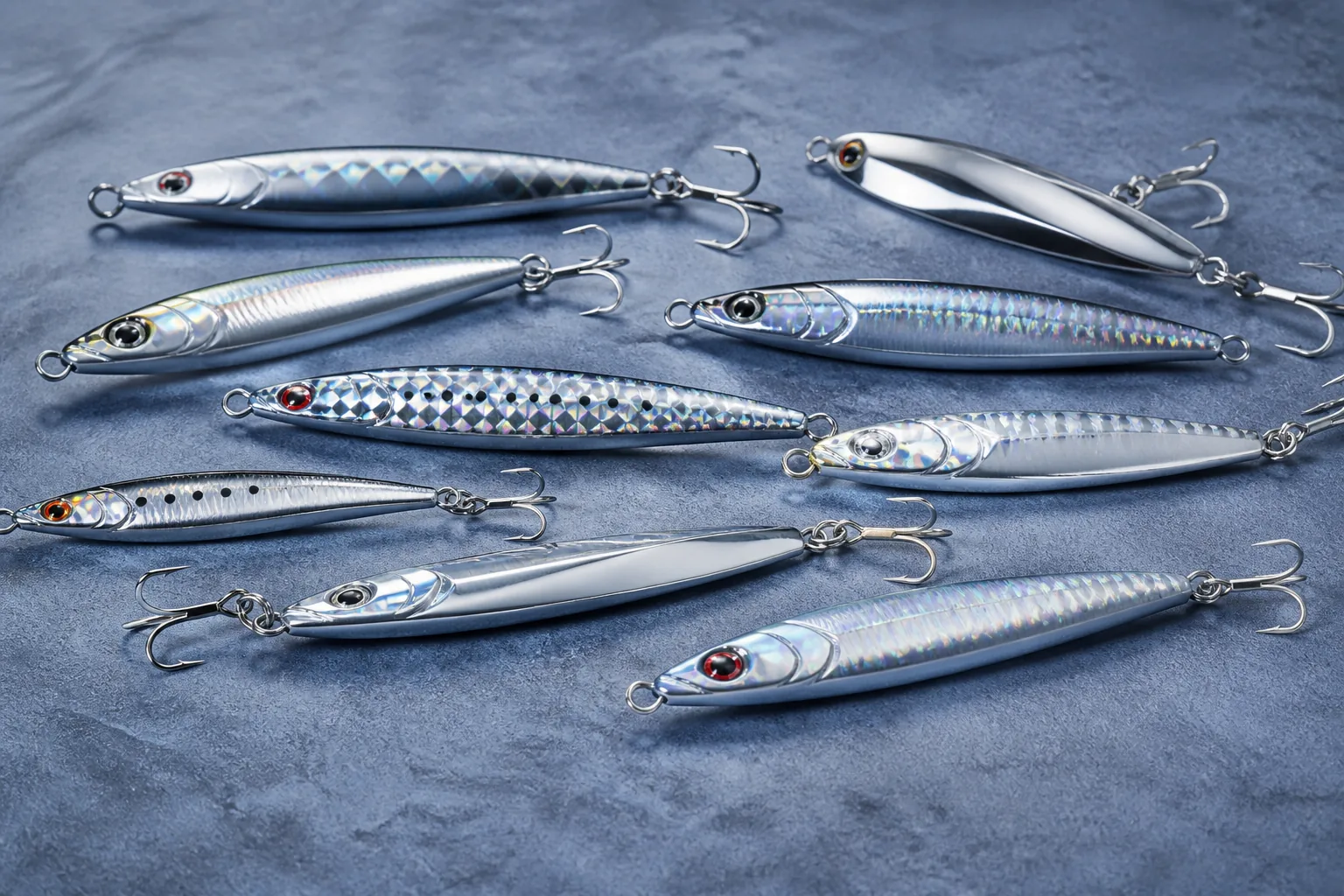
The brand stays focused on metal profiles anglers actually fish — not novelty shapes. Chrome finishes for wide-open tuna, mackerel patterns for kelp-line bass, and matte navy for low-light dawn bites off the Channel Islands.
-
Casting distance
Balanced nose weight on the Tady 45 sends irons past breaking fish.
-
Yo-yo durability
Thick gauge metal on the 4/0 handles kelp wraps and repeated drops.
-
Slow-pitch action
TSP center balance creates a horizontal flutter on the fall.
-
West Coast heritage
Profiles shaped by decades of Catalina, San Diego, and Baja seasons.
Ready for first light?
Match a jig to the technique, rig a fluorocarbon leader, and be on the rail when the meter marks bait at depth.
See TechniquesOn the water
Built for real
saltwater seasons.
Four principles guide how we talk about jigs, tackle, and the retrieves that actually convert when fish are keyed on anchovy or sardine.
We would rather help you land a yellowtail on the yo-yo than chase gimmick shapes. Technique clarity beats hype when the bite is wide open for twenty minutes and you need the right iron on deck.
Visible profiles
Chrome and baitfish patterns that read in clear Pacific water.
Honest weights
Published oz and gram ratings you can match to rod power.
Kelp-ready builds
Strong rings and split rings for kelp-line abuse.
Technique matched
Each model maps to surface, yo-yo, or slow-pitch work.
On deck
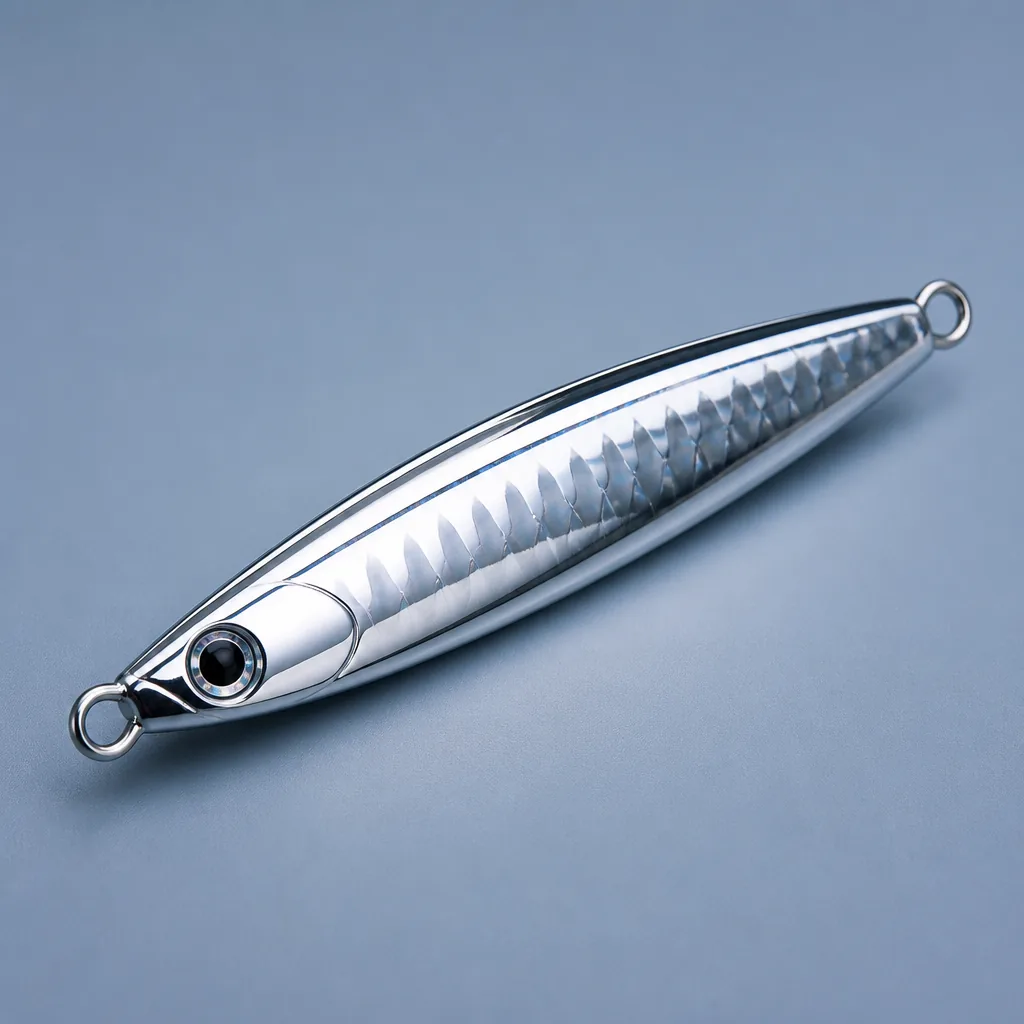
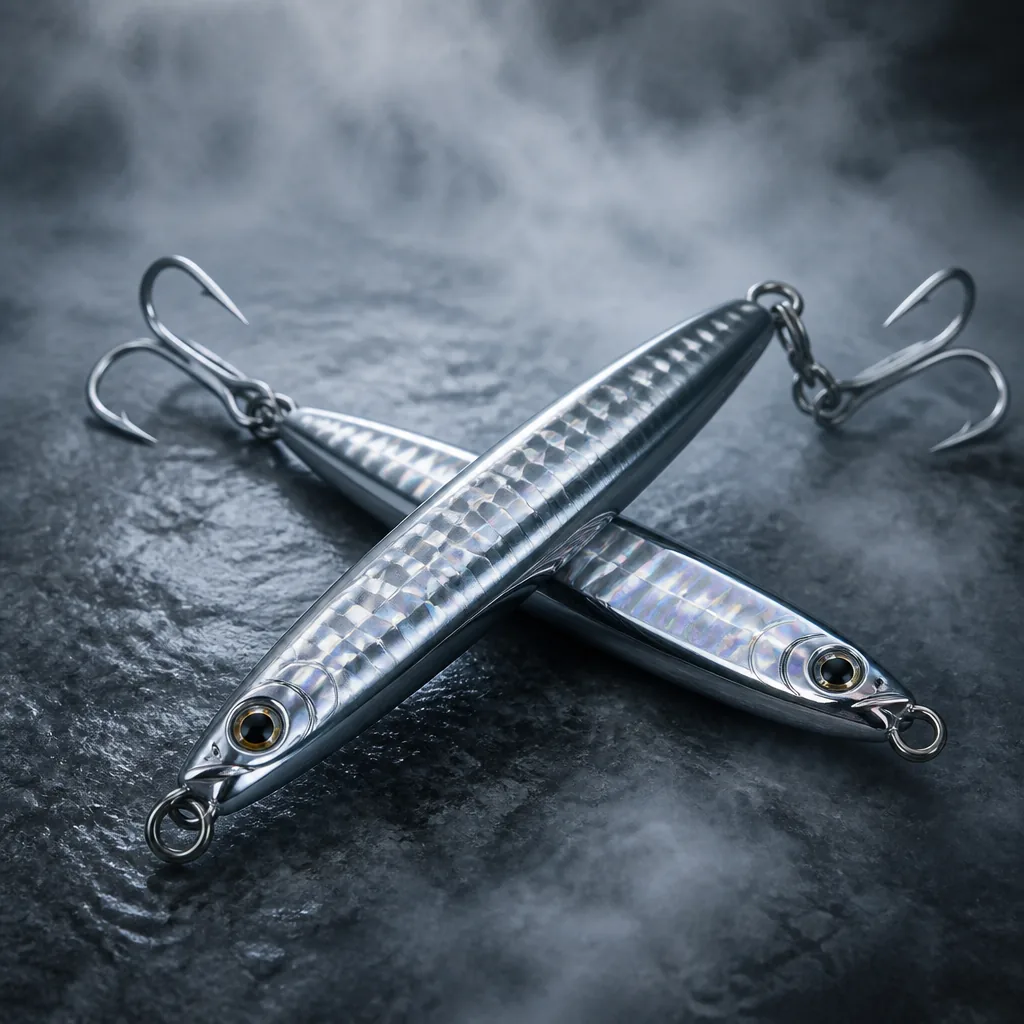
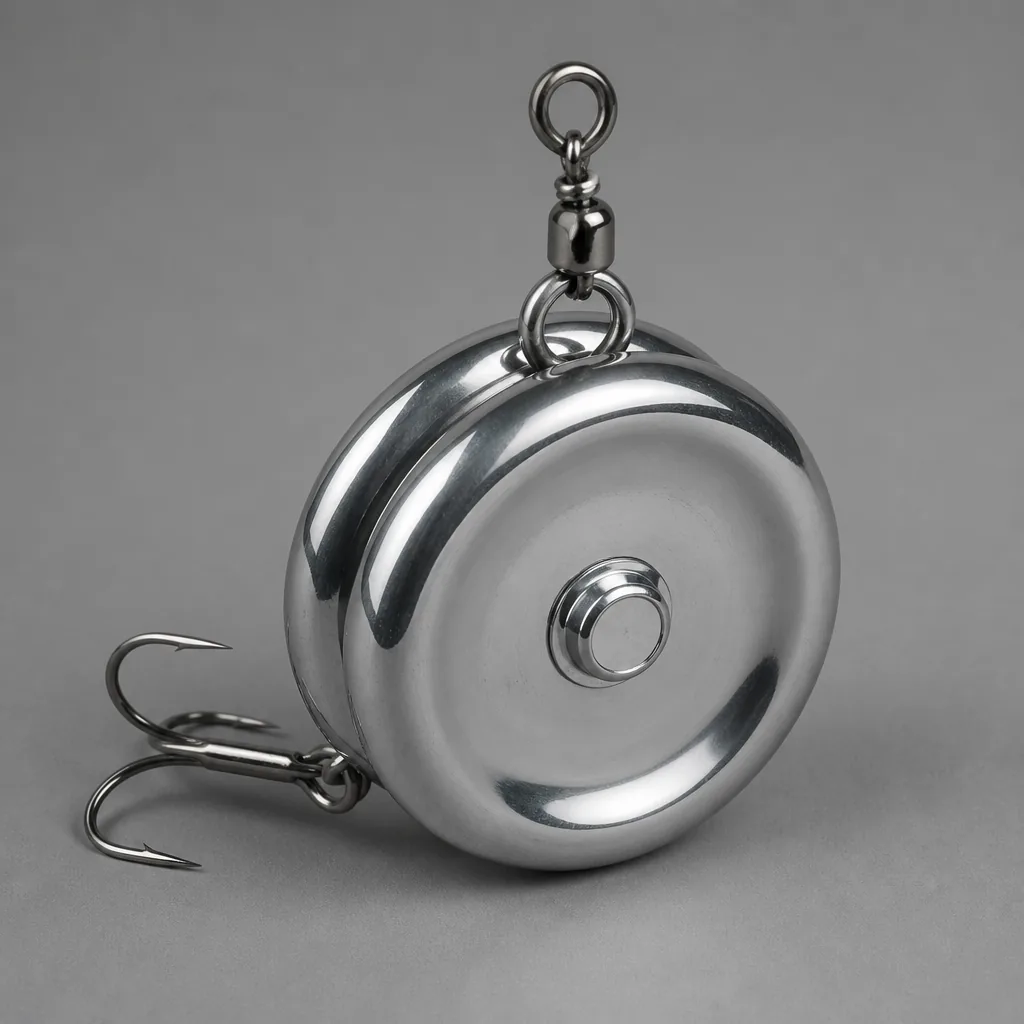
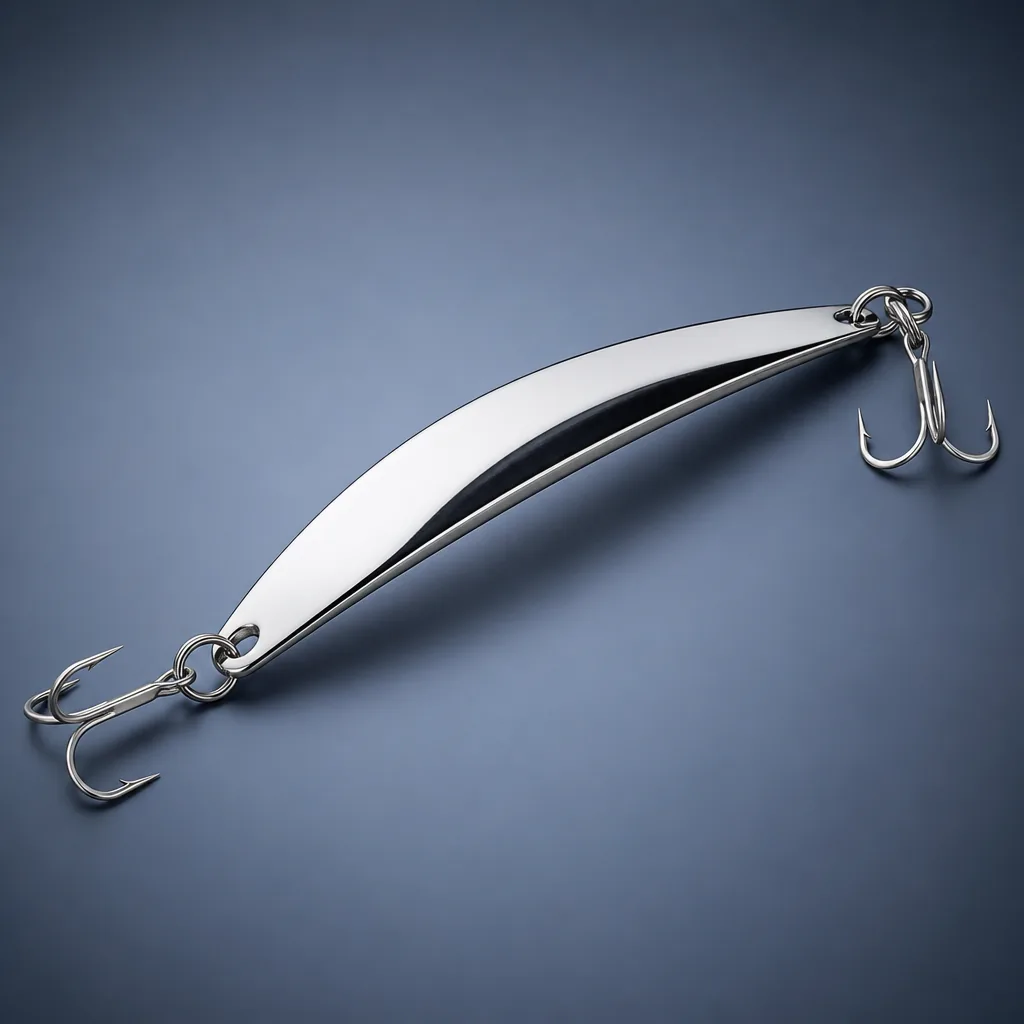
Details that matter.
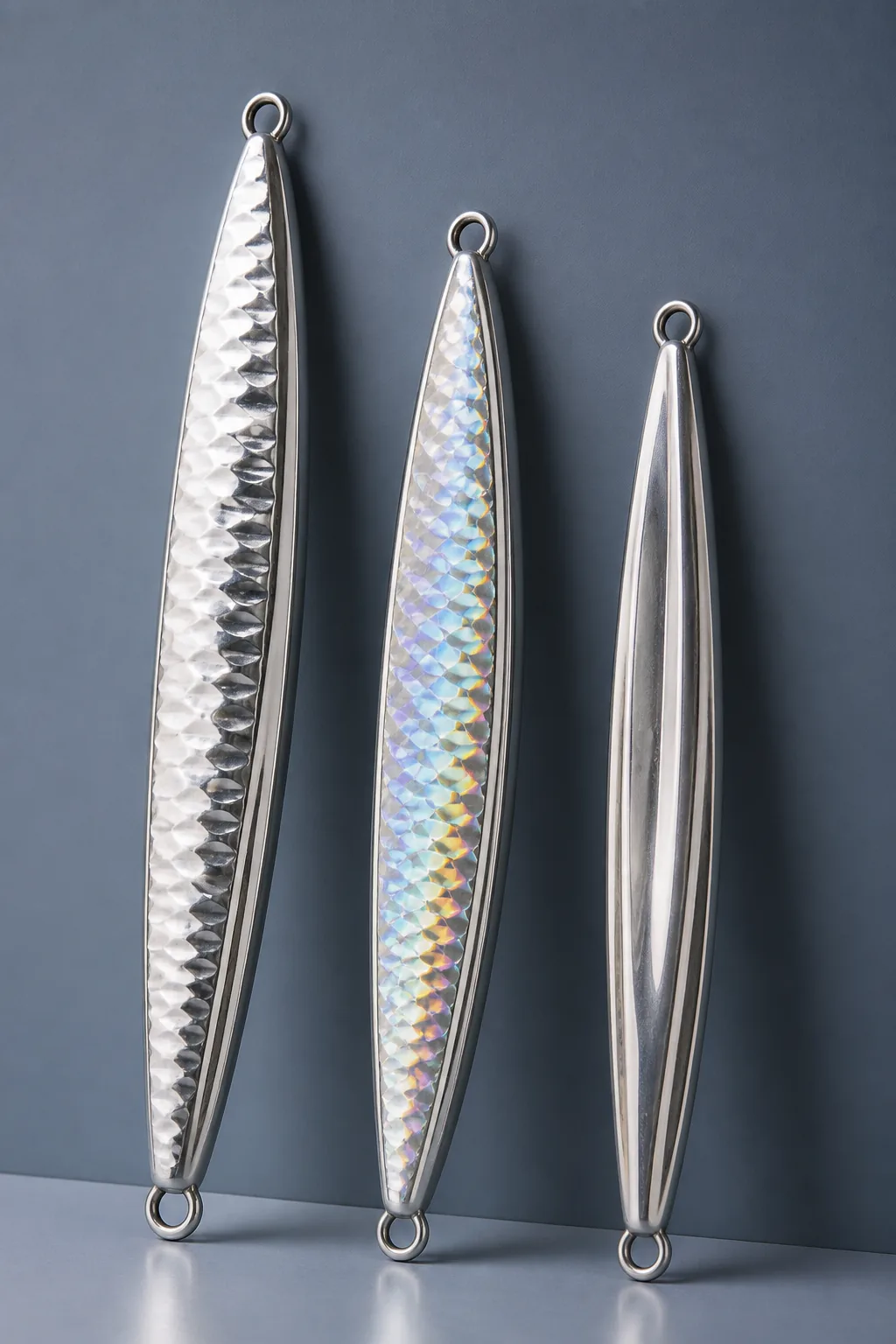
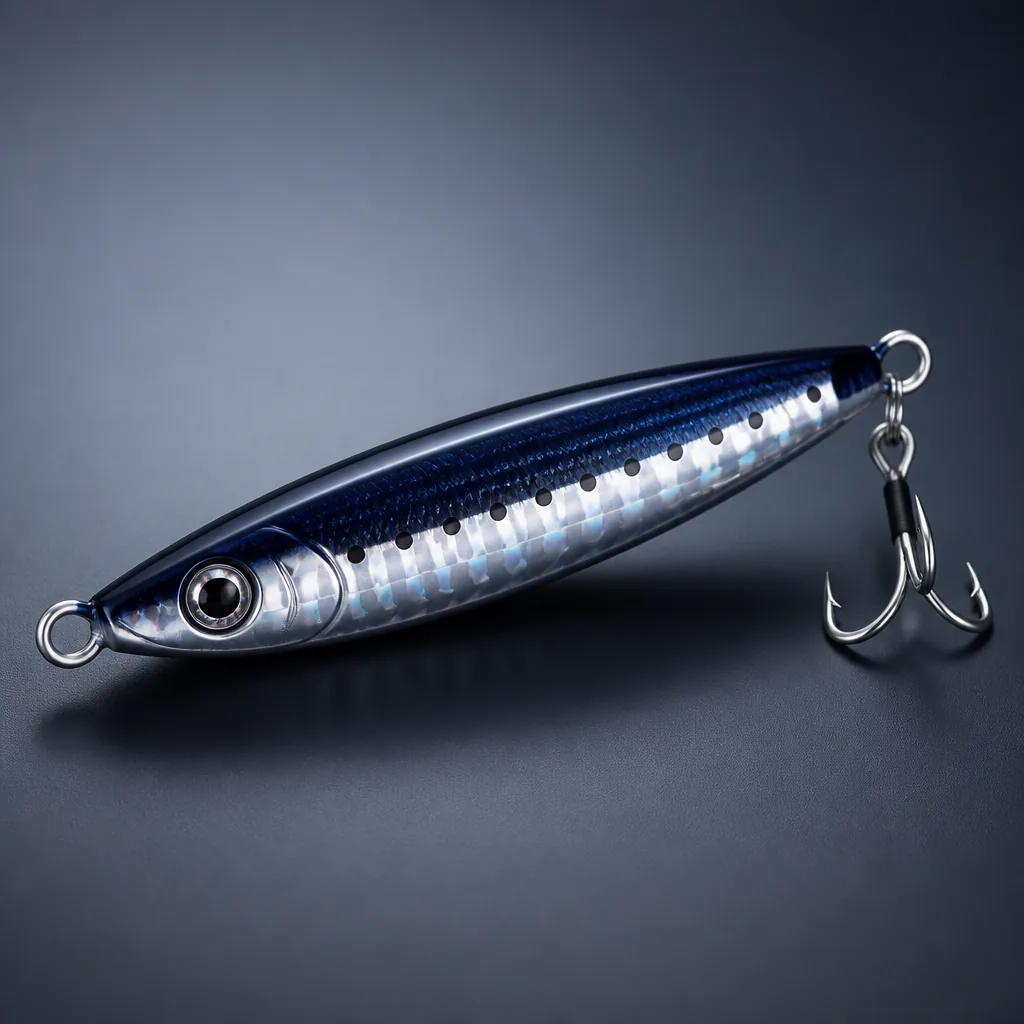
Finish, hook placement, and ring hardware — the small choices that decide whether a jig comes back from a kelp paddy strike.
By the numbers
Sized for Pacific bait.
45"
Surface iron model
4/0
Yo-yo classic
TSP
Slow-pitch line
3×
Core techniques
Reviews
Notes from the rail.
Technique guide
How to fish Tady jigs.
Start with what the fish are doing, then pick surface iron, yo-yo, or slow-pitch. Match leader strength to kelp and target size before you step on the deck.
Surface iron casting with the Tady 45 begins when tuna, yellowtail, or bonito push bait to the top. Use an 8–9 foot conventional or spinning rod rated for 2–4 oz lures. Spool 50–65 lb braided line and tie a 5–8 foot fluorocarbon leader from 25 to 40 lb test. Cast beyond the boil, point the rod tip down, and wind as fast as you can without skipping the lure. Chrome and blue-white patterns mimic anchovy; switch to green mackerel when fish refuse chrome.
Yo-yo jigging with the Tady 4/0 targets mid-column yellowtail and tuna holding below the bait ball. Drop to the meter mark or kelp edge, engage the reel, and rip the rod upward in short violent strokes. Let the jig fall on a semi-tight line so you feel the strike on the drop. Heavier 4 oz profile cuts current on deep Catalina spots. Pair with 80–100 lb fluoro when yellowtail run you into the kelp.
Slow-pitch fishing with the Tady TSP suits calico bass, sand bass, and rockfish on private boat and nearshore trips. Use a medium-light slow-pitch rod and thin PE line. Pitch the jig, let it pendulum on a controlled fall, and lift with one smooth crank. The wide profile flutters horizontally — a different trigger than the straight fall of a yo-yo jig. Lighter 80–100 gram sizes work in 80–120 feet; step up when wind or current pushes the boat.
Leader choice matters on every technique. Fluorocarbon disappears in clear Pacific water but abrades on kelp. Carry 25, 40, 60, and 80 lb spools and rebuild leaders after every fish or kelp wrap. A short Bimini or FG knot to braid keeps connection slim through rod guides when casting irons all day.
Hook upgrades are common among serious anglers. Stock assist hooks on TSP models work for bottom species. Surface irons often get single or treble swaps depending on local regulations and target — check current California and Baja rules before you change hardware. Sharp hooks beat fancy paint when the bite window is narrow.
Seasonal planning helps you pack the right box. Spring and summer yellowtail trips favor a mix of Tady 45 irons and 4/0 yo-yo colors. Fall calico sessions lean on TSP and lighter surface patterns. Overnight tuna runs need backup chrome — losing your last iron to a bluefin at gray light ends more trips than wrong line choice. Read the full breakdown on our how-to-use guide and see what anglers report in reviews.
Surface iron speed
Wind fast and keep the iron near the surface. Match chrome to wide-open tuna and mackerel patterns when fish track bait size. Replace leaders after every kelp contact.
Drop and rip
Mark depth on the fish finder, drop the 4/0 to the zone, and yo-yo with short lifts. Watch for strikes on the fall — yellowtail often hit as the jig pendulums.
Jig maintenance tips
Rinse jigs in fresh water after every trip. Dry chrome finishes to prevent salt creep. Check split rings monthly and replace bent hooks before they cost you a fish.
West Coast roots
Tady profiles evolved on party boats from San Diego to Ventura. Learn how surface iron culture shaped the modern lineup on our history page.
FAQ
Quick answers.
Still unsure which jig to tie on? Email us — we help match techniques every week.
-
What Tady jig models are available?
The core lineup includes the Tady 45 surface iron, Tady 4/0 yo-yo jig, and Tady TSP slow-pitch model. Each is tuned for a specific West Coast saltwater technique.
-
When should I use a surface iron?
Surface irons excel when tuna, yellowtail, or bonito are feeding near the surface. Long casts with a fast retrieve trigger reaction strikes on chrome or baitfish-pattern finishes.
-
What is yo-yo jigging?
Yo-yo jigging means dropping a heavy metal jig to depth, then ripping it upward with sharp rod lifts. The Tady 4/0 is a classic choice for kelp-line yellowtail and mid-column tuna.
-
How does slow-pitch differ?
Slow-pitch uses longer falls and subtle rod pulses so the jig flutters horizontally. The Tady TSP is built for that pendulum action on calico bass, rockfish, and finicky bottom species.
-
What tackle pairs with Tady jigs?
Match rod power to technique: 8–9 foot casting rods for surface irons, 7–8 foot conventional setups for yo-yo, and medium-light slow-pitch rods for TSP work. Use fluorocarbon leaders from 25 to 80 lb test.
Start where the
bite turns on.
Explore Tady jigs, technique guides, and angler reviews built for West Coast saltwater.
Explore Jigs