
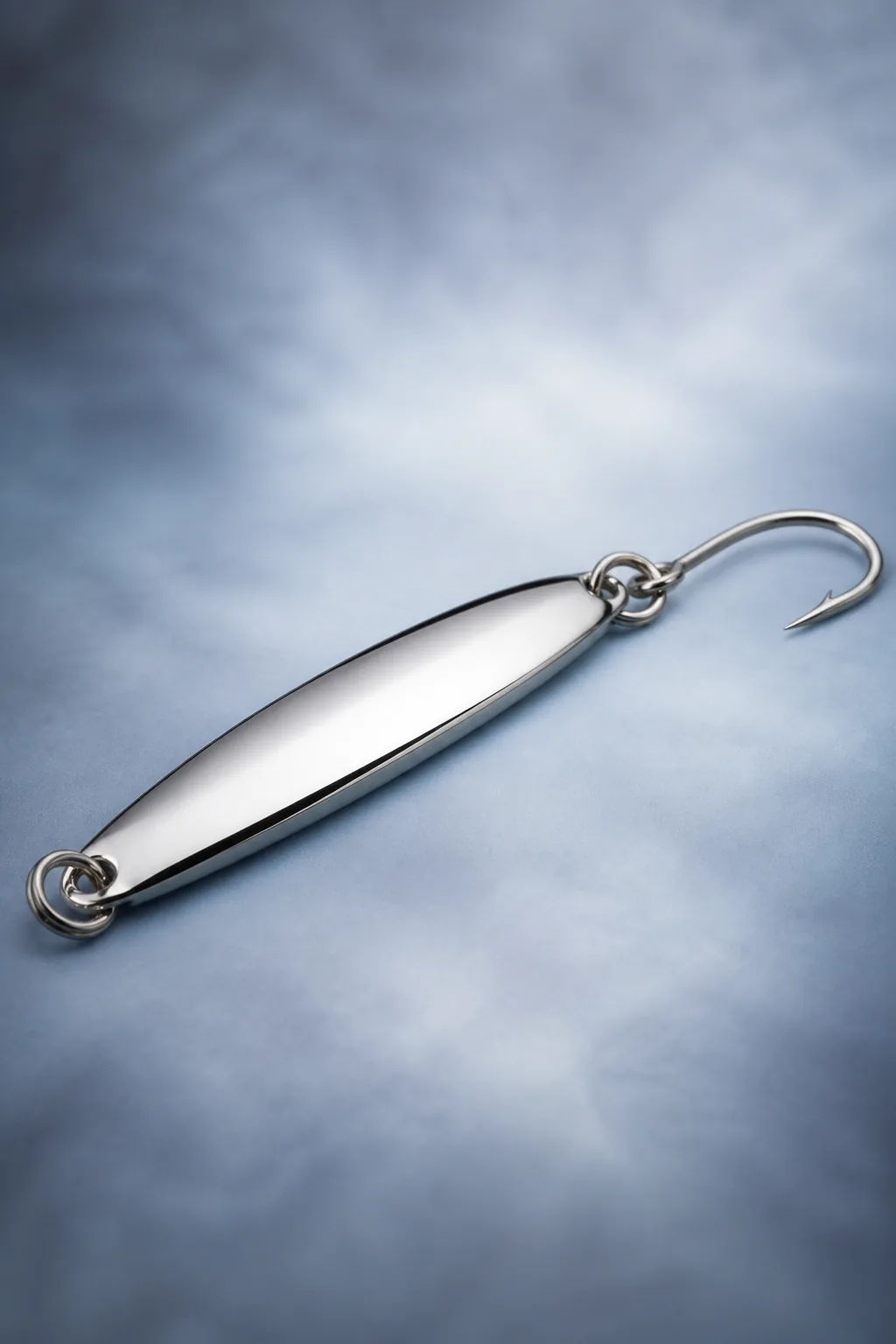
Technique guide
Fish metal with purpose.
Surface iron, yo-yo, and slow-pitch each demand a different rod, retrieve, and leader — this guide breaks down all three for West Coast saltwater.
Whether you chase yellowtail at the kelp edge or calico bass on a private boat drift, the right Tady profile and technique convert more strikes.
Surface iron
Cast fast, stay top.
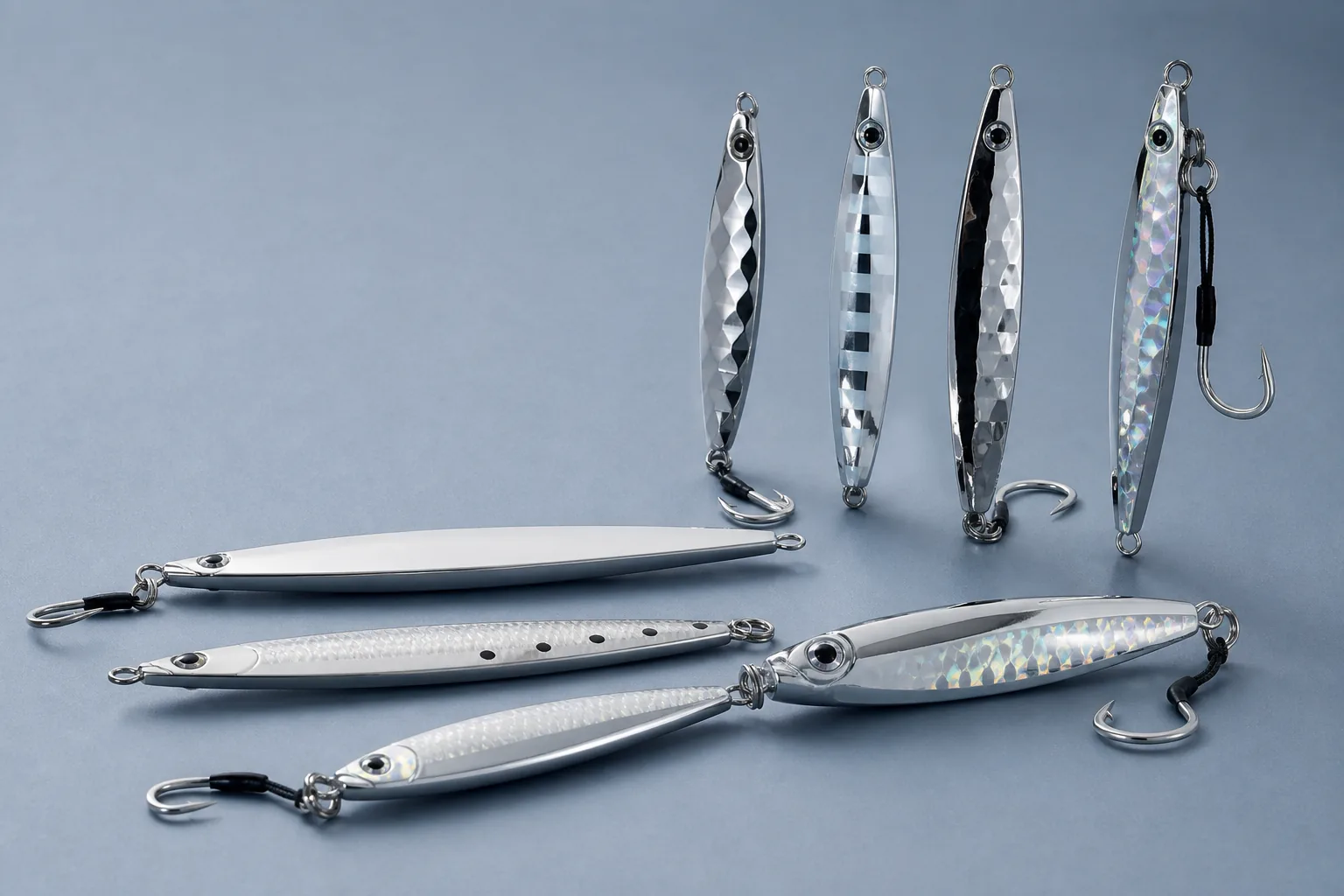
Surface iron casting is the signature West Coast technique when tuna, yellowtail, or bonito push bait to the top. The Tady 45 is the benchmark profile — long, slim, and weighted for distance off a 9-foot rod.
Rig with 50–65 lb braided main line and a 5–8 foot fluorocarbon leader from 25 to 40 lb test. Cast beyond the boil, keep the rod tip low, and wind at maximum speed. The jig should track just under the surface and throw a small wake. Strikes are violent reaction bites — do not slow down until you feel weight.
Color selection follows bait. Chrome mimics wide-open anchovy schools. Blue-and-white patterns match sardine. Switch to green mackerel when fish refuse chrome after the first hour. Always carry two rods rigged differently so you can rotate without retying on a hot bite.
Boat position matters. On party boats, watch which side gets the longest casts into the school. On private boats, run up-current of the bait so your iron leads the fish instead of chasing them down. Wind at your back adds twenty feet to every cast — use it.
Yo-yo jigging
Drop deep, rip hard.
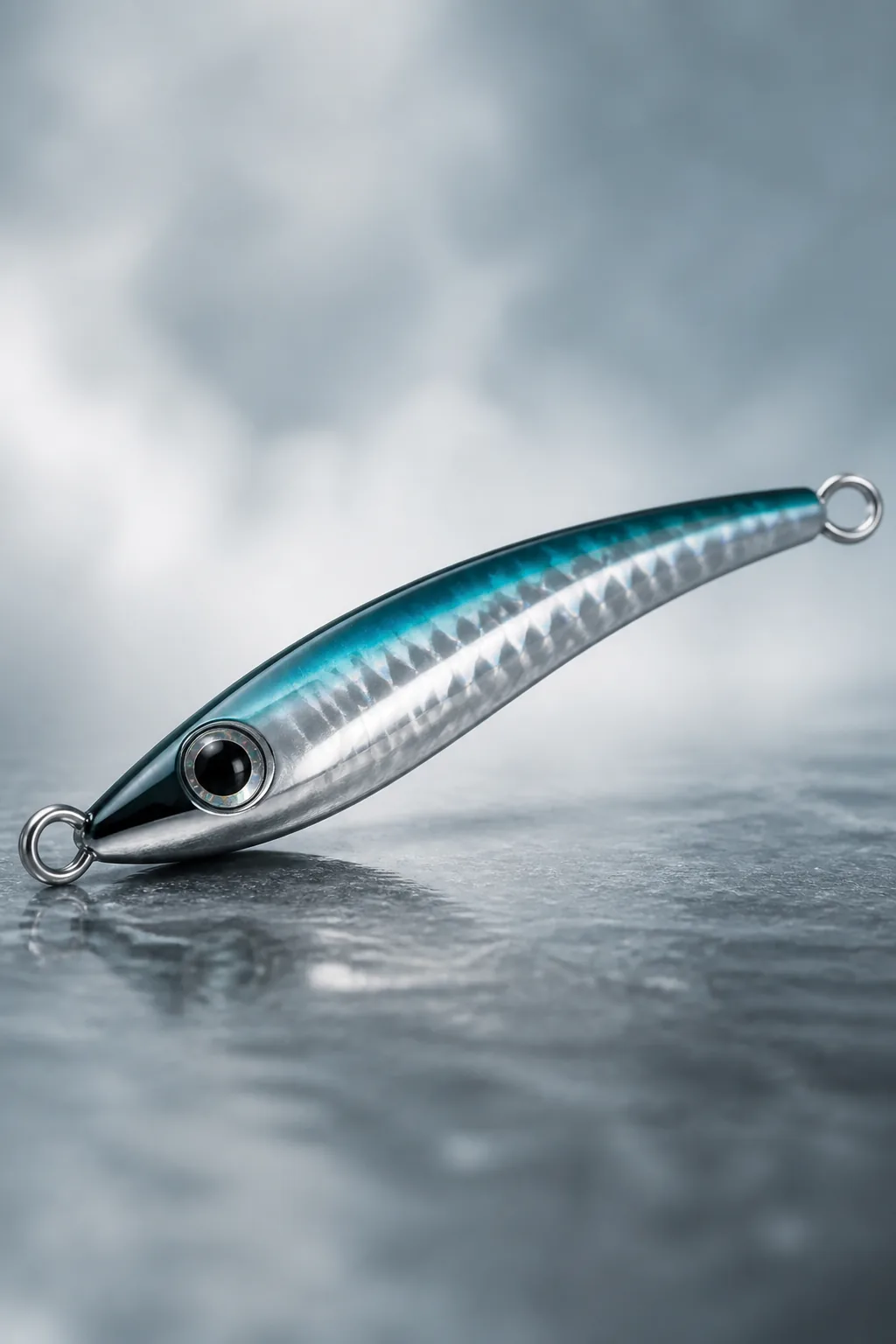
Yo-yo jigging targets fish holding below the surface feed. The Tady 4/0 at roughly 4 oz cuts through current and reaches yellowtail stacked under kelp paddies or tuna marks on the sonar.
Drop the jig to the fish mark or kelp edge, engage the reel, and lift the rod in short violent strokes — two to three cranks per lift. Let the jig fall on a semi-tight line. Many strikes happen on the fall when the jig pendulums away from the boat. Repeat until you connect or the school sound.
Use a 7–8 foot conventional rod rated for 30–50 lb line with 65–80 lb braid. Fluorocarbon leaders from 60 to 100 lb test handle kelp abrasion when yellowtail run into the string. A smooth drag is essential — yo-yo fish hit at depth with full momentum.
Depth control separates good yo-yo anglers from the rail crowd. Watch the fish finder and stop the drop exactly at the mark. Fishing ten feet above or below the school wastes the best part of the retrieve. When fish move, move with them — re-drop immediately after each hookup.
Slow pitch
Flutter on the fall.
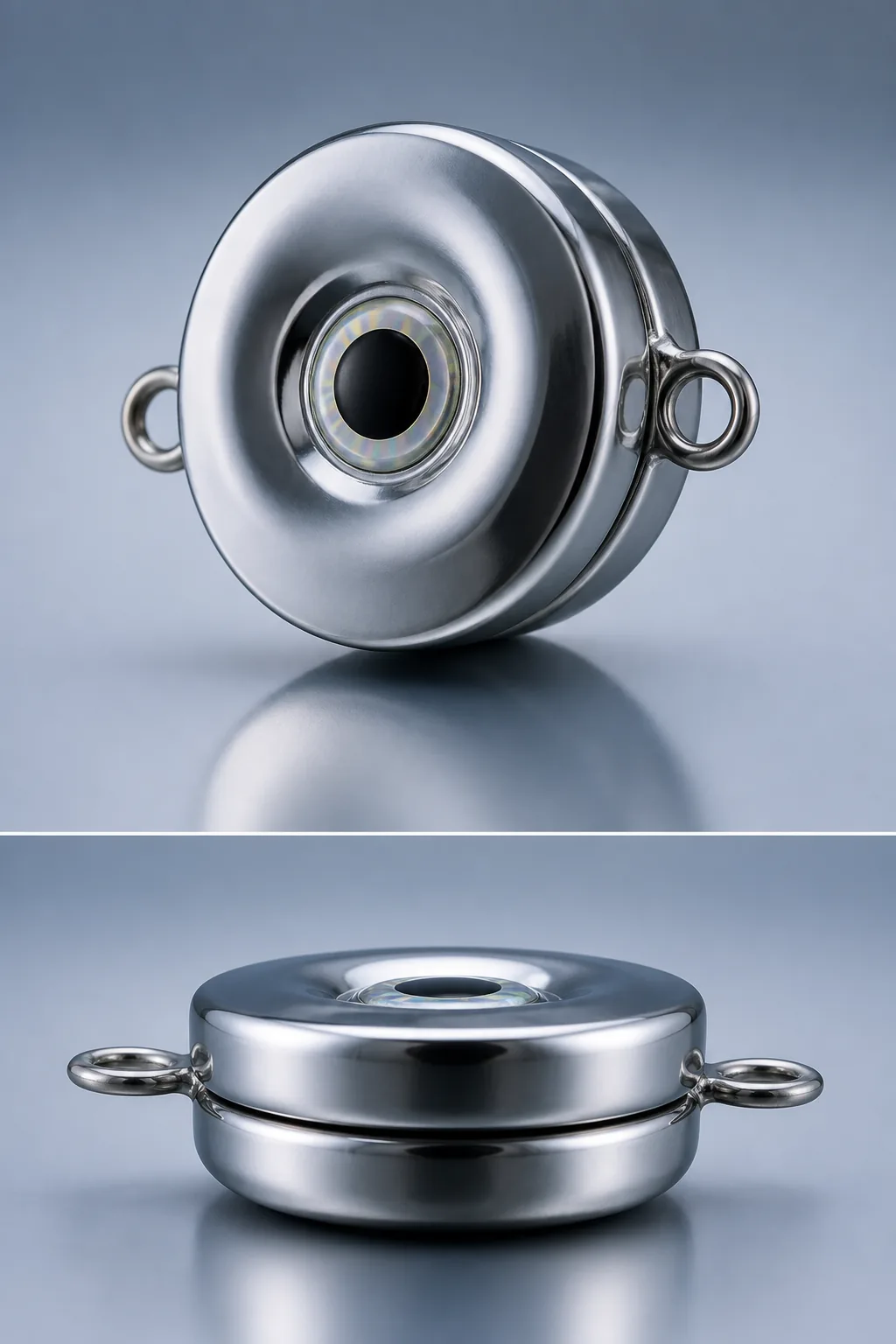
Slow-pitch jigging uses controlled rod work to make a metal jig flutter horizontally on the fall. The Tady TSP wide profile is built for this pendulum action on calico bass, sand bass, rockfish, and finicky bottom species.
Pair the TSP with a medium-light slow-pitch rod and PE line from 1.5 to 2.5 rating. Pitch or drop to structure, free-spool until you touch bottom or mid-column, then lift with one smooth half-crank. Pause and let the jig slide. Bites feel like a tap or sudden weight — set with a firm lift, not a trout hookset.
Weight choice depends on depth and drift speed. 80–100 gram jigs cover most Southern California nearshore from 60 to 120 feet. Step up when wind pushes the boat or current steepens the line angle. Lighter jigs flutter longer but are harder to keep vertical.
Slow-pitch shines when fast yo-yo retrieves get short strikes. Bottom fish often prefer a meal that drifts naturally. Work the same rock pile with three different TSP colors before leaving — olive, glow, and chrome each have days when they dominate.
Tackle tips
Rig for the rail.
Build a trip-ready setup before you leave the dock. Surface iron anglers need two casting rods, yo-yo anglers need a conventional combo with smooth drag, and slow-pitch anglers need a dedicated rod with a sensitive tip. Do not share one rod across all three techniques — action and line capacity differ too much.
Leaders are consumables. Rebuild fluoro after every fish, kelp wrap, or scuffed section. Carry a leader spool in 25, 40, 60, and 80 lb on every trip. Use an FG or improved Albright knot to braid — slim connections cast farther and pass through guides cleanly.
Hook maintenance is underrated. Check split rings monthly and replace bent hooks before they open on a fish. Rinse all jigs in fresh water after salt trips and dry chrome finishes to prevent corrosion. A little maintenance extends jig life across multiple seasons.
Pack a small box organized by technique: one row for irons, one for yo-yo colors, one for TSP weights. Label nothing — color and shape tell the story. Keep backup chrome in a separate bag so you never lose your last iron to a bluefin at gray light.
Safety
Stay safe offshore.
Metal jigs are dense and travel fast on a cast or a failed hookset. Always look before you cast on crowded party-boat rails. Communicate with anglers beside you when switching sides or clearing a fish.
Wear appropriate footwear with grip on wet decks. A yo-yo rod under load can snap back if a knot fails — keep your face clear of the line path. Use a fighting belt or harness on heavy tuna trips to protect your back during long fights.
Check weather and sea conditions before overnight runs. Rig life jackets and know the vessel emergency plan. Off Baja and on remote Catalina trips, cell service disappears — file a float plan with someone on shore.
Respect kelp and marine protected areas. Know current California and Mexico regulations for hook type, size limits, and closed zones. Conservation keeps the fisheries that built Tady jig culture alive for the next generation of anglers.
Jigs for each technique
Six proven profiles.
Match these Tady models to the techniques above. Each listing notes primary use and typical weight class.
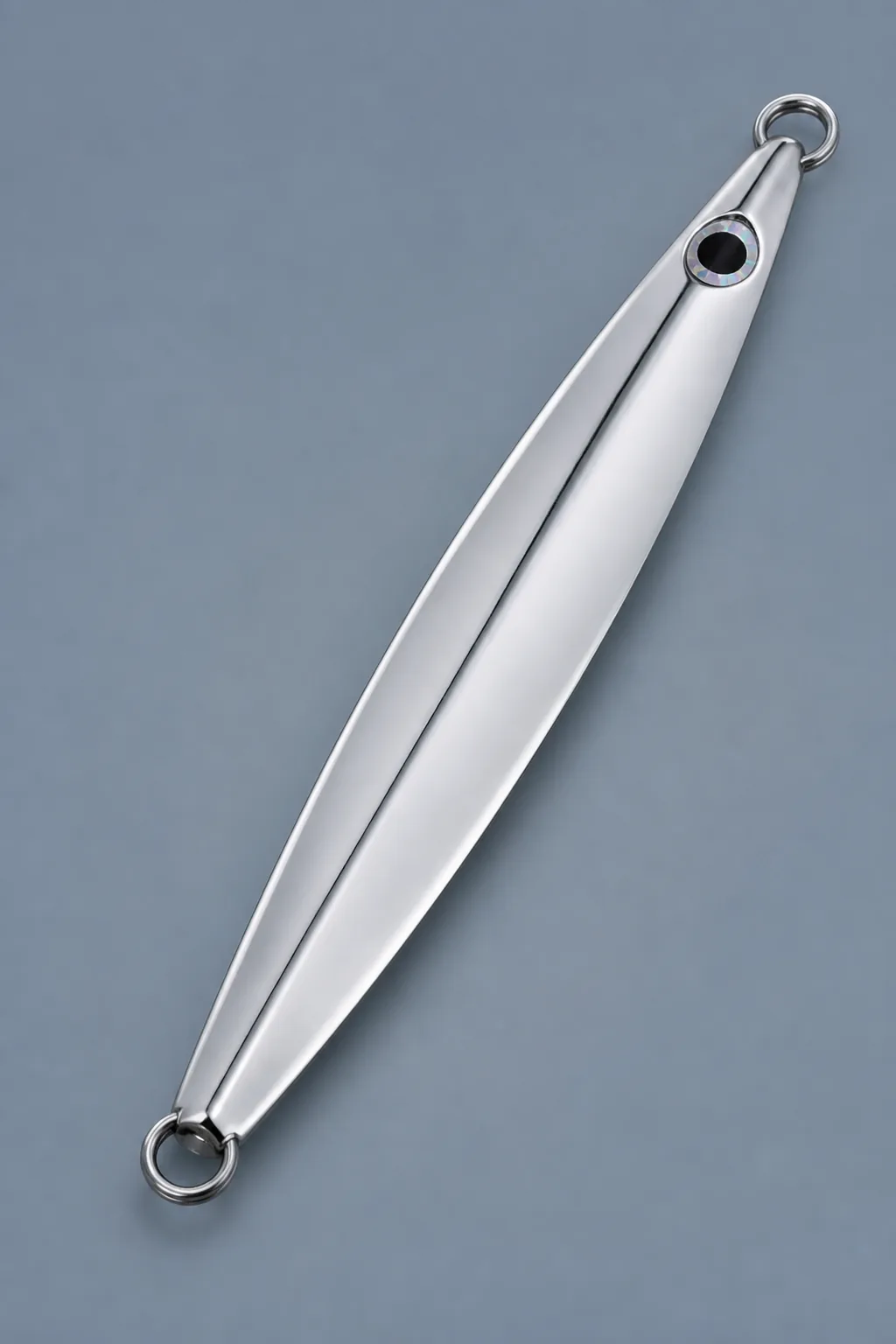
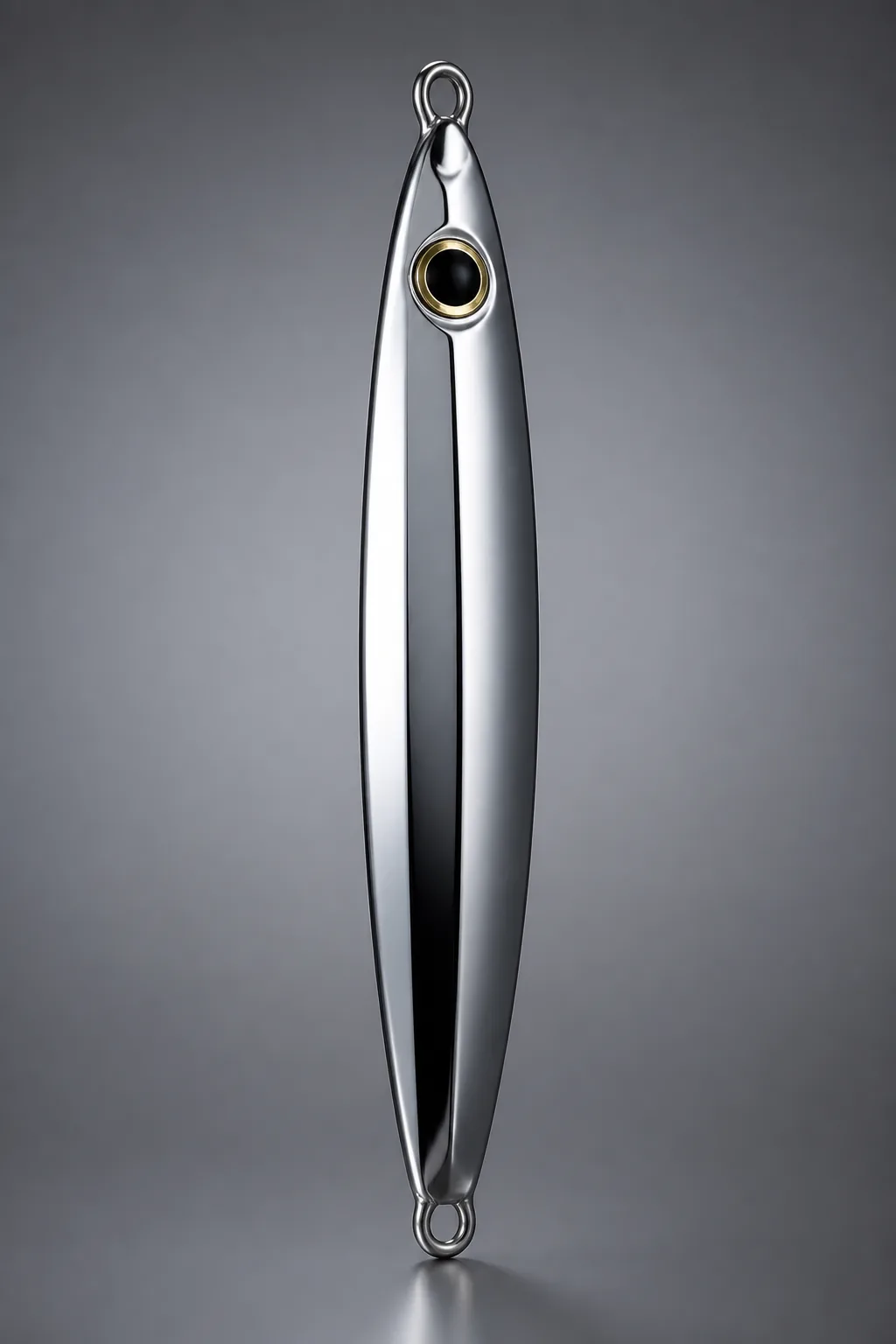
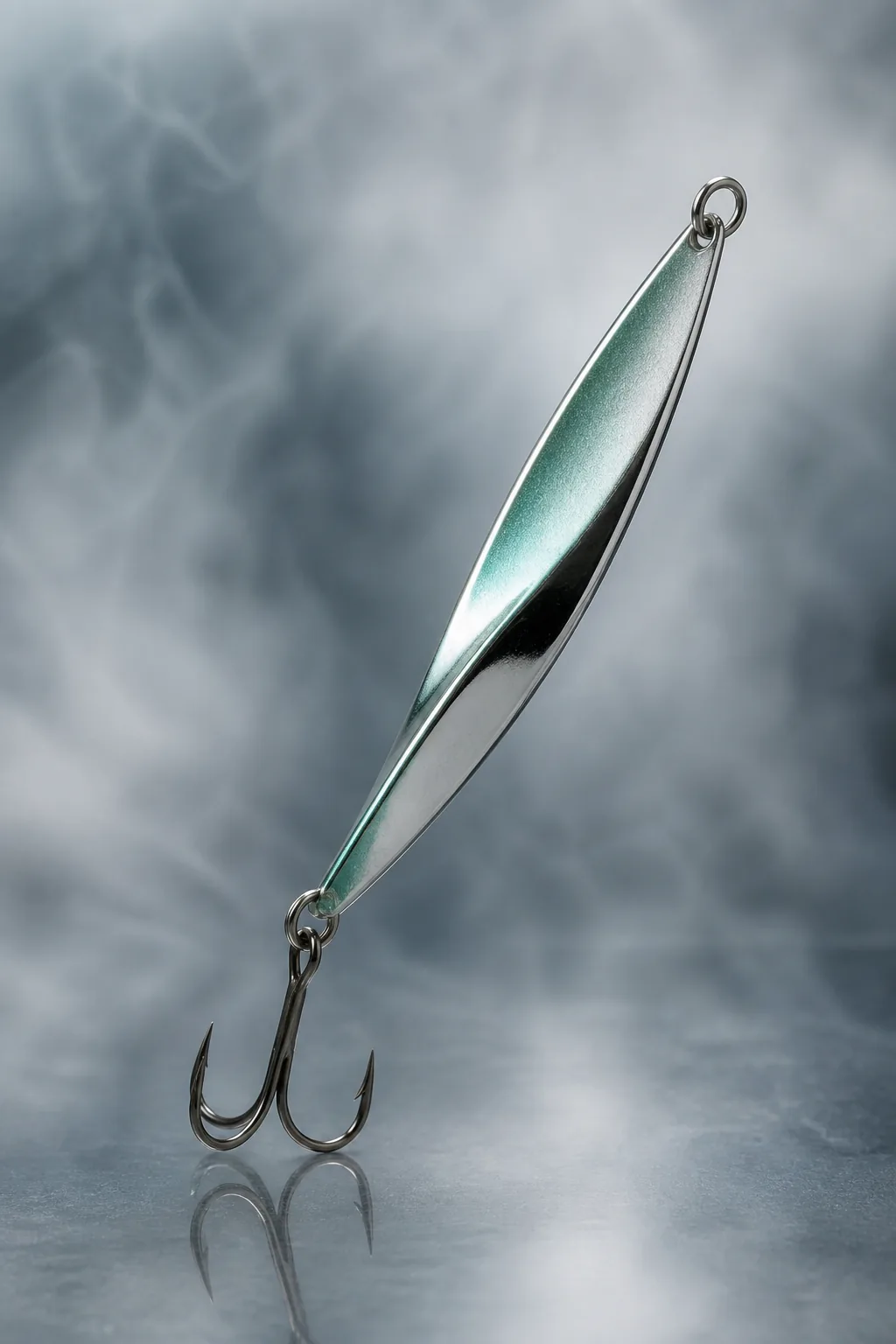
Three techniques. One rail.
Practice each retrieve at home, then put the right Tady jig on the water when the meter marks fish.
Explore Jigs