
Heritage
Born on Pacific rails.
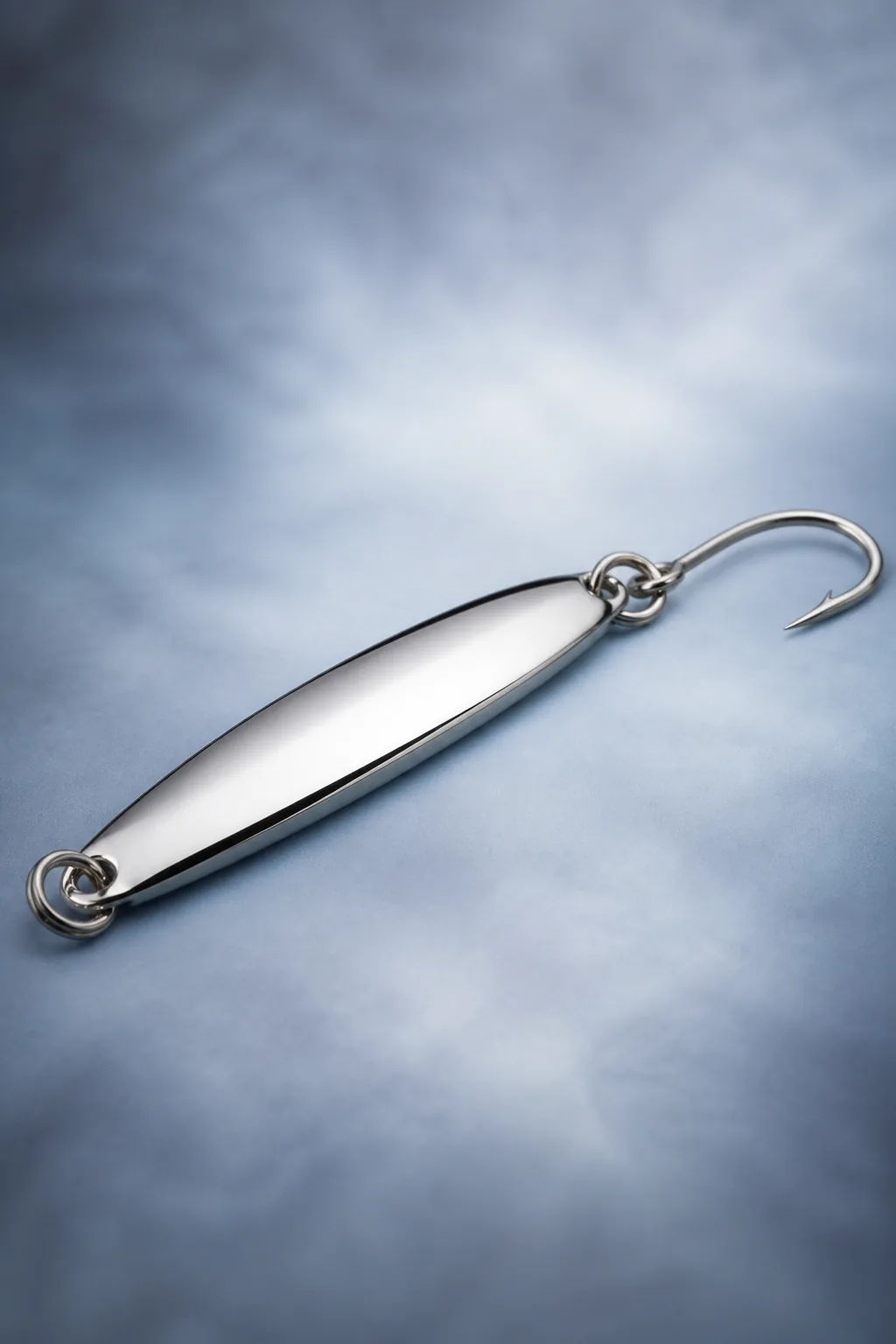
West Coast surface iron culture grew on crowded party boats from San Diego to Ventura — long casts, chrome flashes, and yellowtail that owned the kelp.
Tady Lures carries that lineage forward with jigs shaped by decades of Catalina runs, Baja overnight trips, and the yo-yo revolution that followed.
Origins
West Coast iron roots.
Before modern braid and graphite rods, Southern California anglers cast heavy metal toward boiling yellowtail from wooden party boats. The surface iron was not a niche lure — it was the default weapon when fish pushed anchovy to the top within casting range.
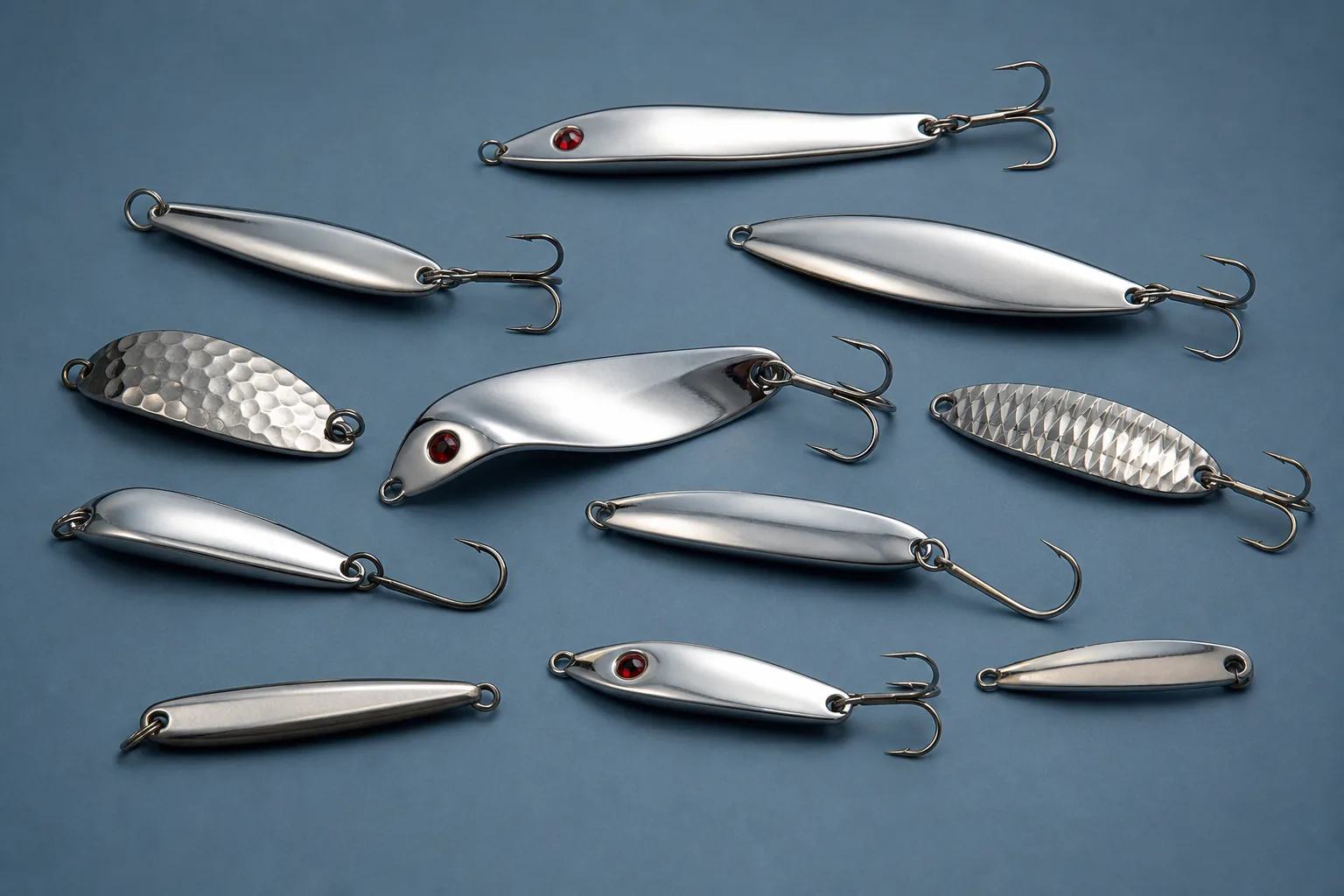
Early irons were hand-shaped from sheet metal and plated in chrome. Length and nose weight determined cast distance and retrieve stability. Captains learned which profiles worked on wide-open tuna versus picky kelp-line bass. That trial-and-error on daily runs built the design language Tady still uses.
San Diego landings like Point Loma and Mission Bay became proving grounds. Catalina Island half-day and overnight trips exposed thousands of weekend anglers to iron culture. When someone hooked up on the rail, twenty anglers switched to the same chrome profile within minutes — a pattern that still repeats today.
The name Tady became synonymous with a reliable 45-class iron that cast far and tracked straight. Generations of deckhands recommended it the same way they recommended a particular hook wrap or leader length. That word-of-mouth reputation matters more than any catalog copy.
Surface iron
Iron design evolves.
Surface iron design refined over decades as rod technology improved. Longer casting rods and braided line let anglers reach schools farther from the boat. Jig makers responded with slimmer profiles and tuned nose weight so irons did not blow out on max-speed retrieves.
Finish options expanded beyond bare chrome. Blue-and-white baitfish patterns matched sardine-heavy seasons. Green mackerel and purple-black dorsal patterns appeared when anchovy was not the primary forage. Each color had a story tied to a specific bite — not marketing, but deck results.
Hook hardware evolved with regulations and target species. Some anglers ran single hooks for safer releases; others stayed with trebles for short-strike tuna. Split ring quality became a talking point when big fish opened light hardware. Tady builds account for that abuse with heavier gauge connections.
The Tady 45 remains the reference shape — long enough to cast, heavy enough to stay in the water on a fast wind, and balanced so it does not spin or roll. That profile is why it still fills iron bags from San Diego to Ensenada.
Yo-yo era
Yo-yo takes the deck.
As fish finder technology improved, anglers realized many yellowtail and tuna held below the surface feed. Casting irons at boiling fish still worked — but the bigger schools often sat ten to forty feet down. The yo-yo retrieve emerged: drop metal to depth, rip upward, repeat.
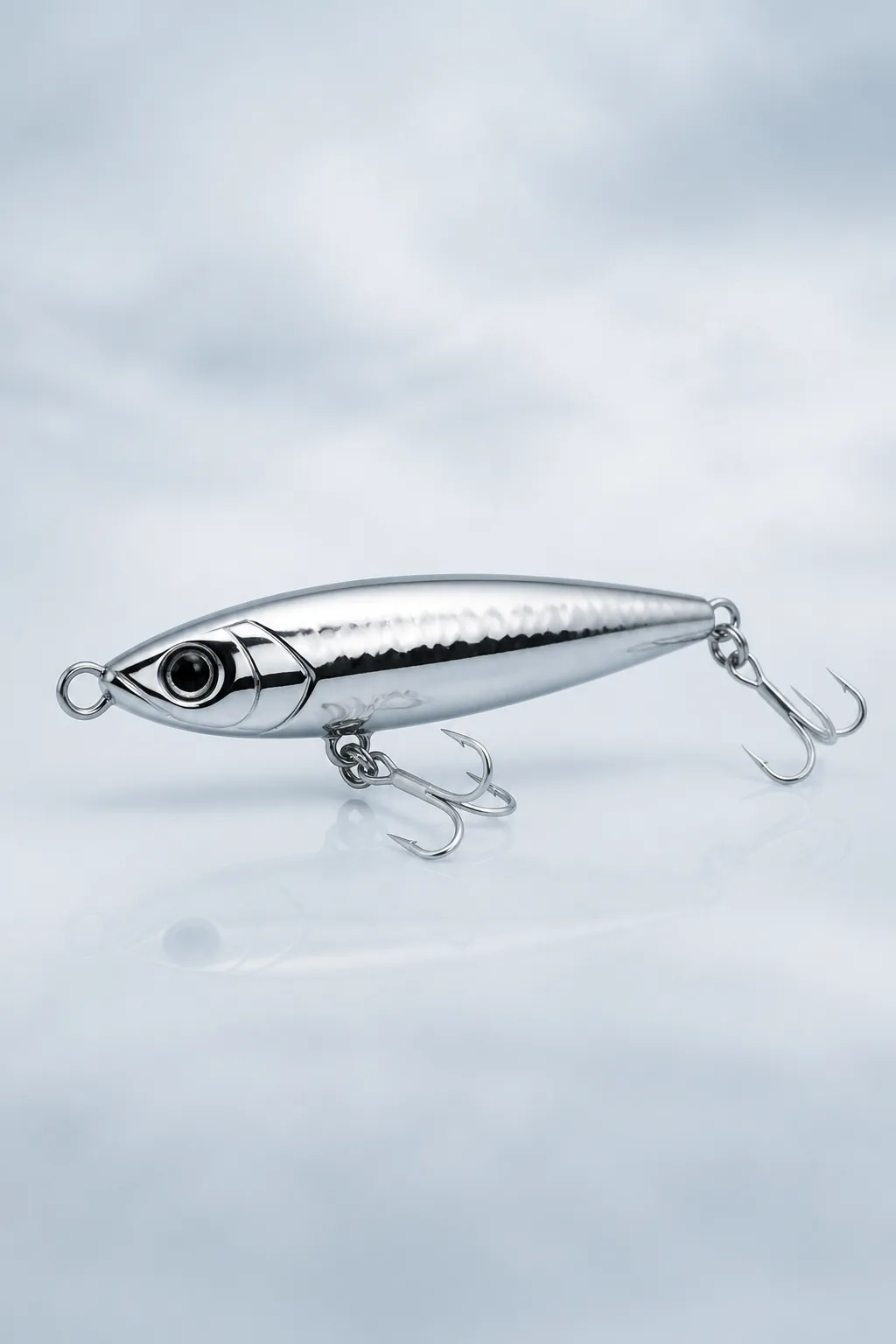
Heavier jigs replaced long irons for this style. The Tady 4/0 became a deck staple because its compact mass cut current and survived kelp wraps. Yo-yo fishing turned the rail into a vertical battlefield — rods pointed down, lifts sharp, strikes felt through braided line with no stretch.
Party boat culture adapted. Captains called out depth marks; deckhands coached newcomers on timing the drop. The technique spread to bluefin tuna when pods sounded below the chum. Today yo-yo remains the default when irons fail to reach fish holding under the bait.
Color mattered less than profile and weight for yo-yo — until finicky fish proved otherwise. Navy and mackerel patterns on heavier jigs now share box space with chrome irons on every serious yellowtail trip.
Slow pitch
TSP and modern jigging.
Japanese slow-pitch jigging influenced West Coast anglers who wanted a refined bottom and mid-column option beyond yo-yo violence. The Tady TSP line applies that philosophy to local species — calico bass, sand bass, rockfish, and lingcod on private boat drifts.
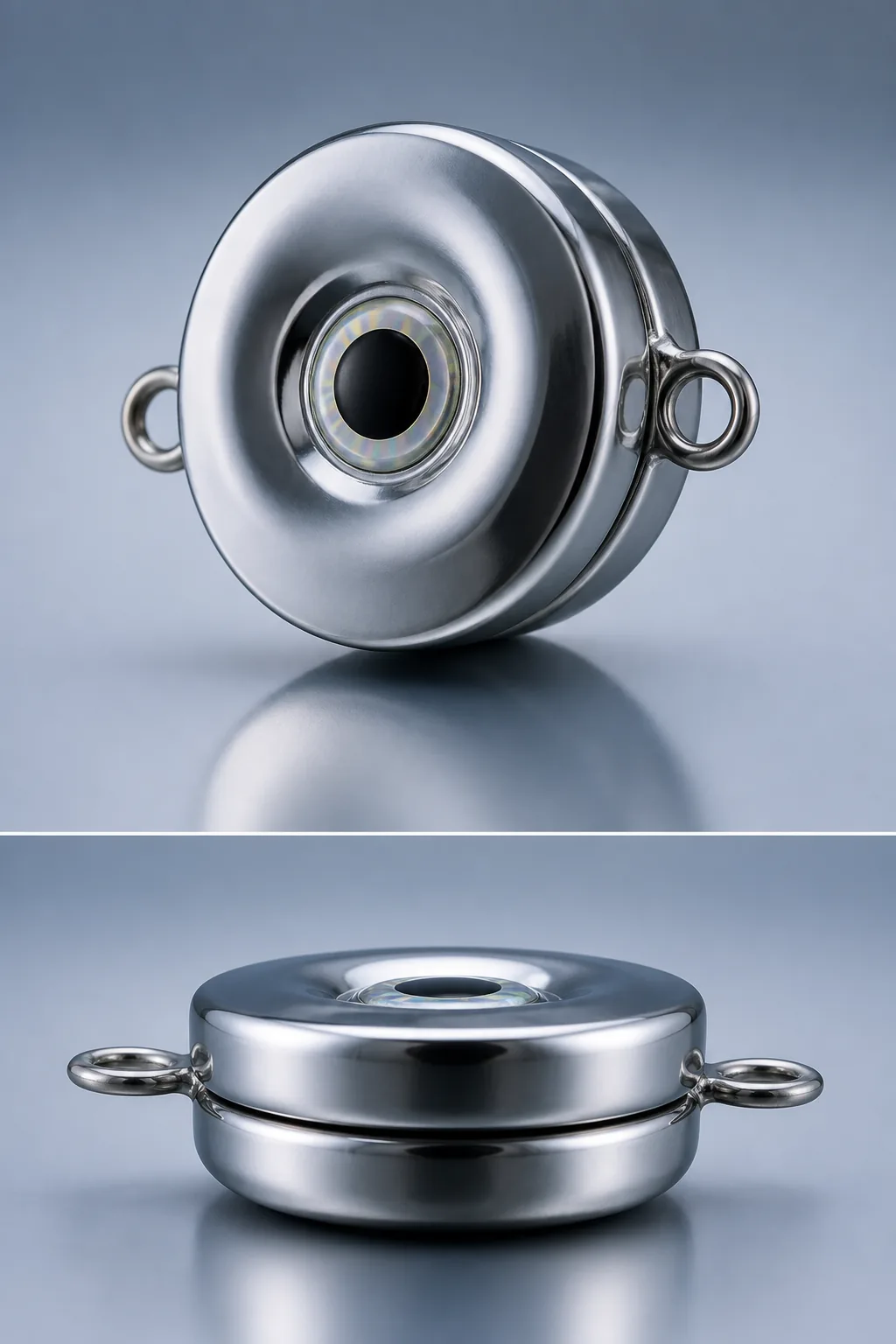
Slow-pitch jigs flutter on the fall instead of arrowing straight down. Center-balanced wide profiles create a horizontal slide that triggers bites when fast retrieves fail. Dedicated slow-pitch rods with soft tips telegraph subtle taps that yo-yo gear misses.
The technique does not replace surface iron or yo-yo culture — it complements it. A full-season angler fishes irons on the morning boil, yo-yos mid-day marks, and slow-pitches structure on the way home. Tady’s three-technique lineup mirrors how Pacific anglers actually spend a day on the water.
Looking forward, the heritage stays tied to the rail. New finishes and weights appear, but the core idea remains: metal shaped by real West Coast seasons, not generic offshore templates copied from other fisheries.
Classic lineup
Five heritage profiles.
These jigs trace directly to decades of West Coast iron, yo-yo, and slow-pitch evolution.
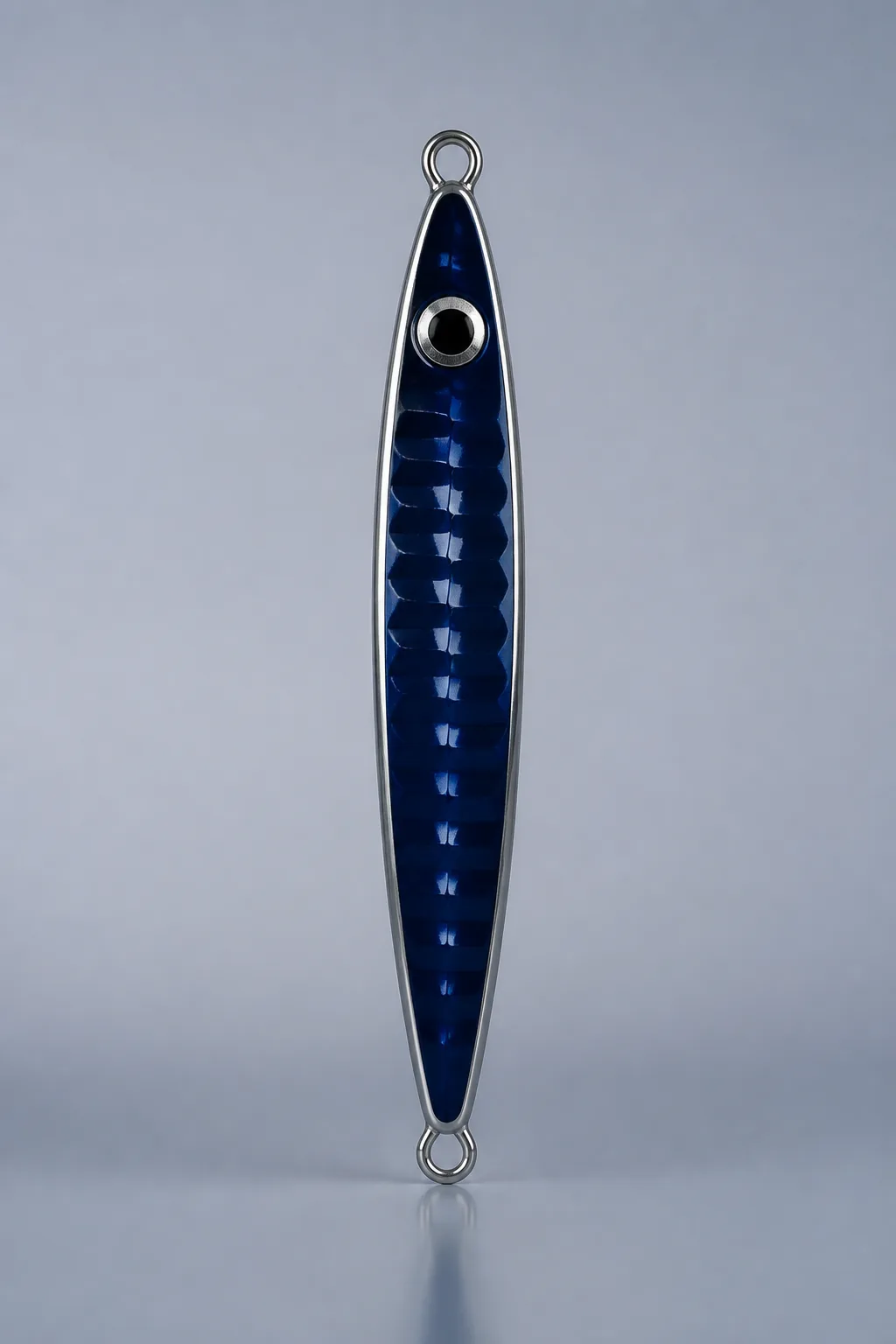
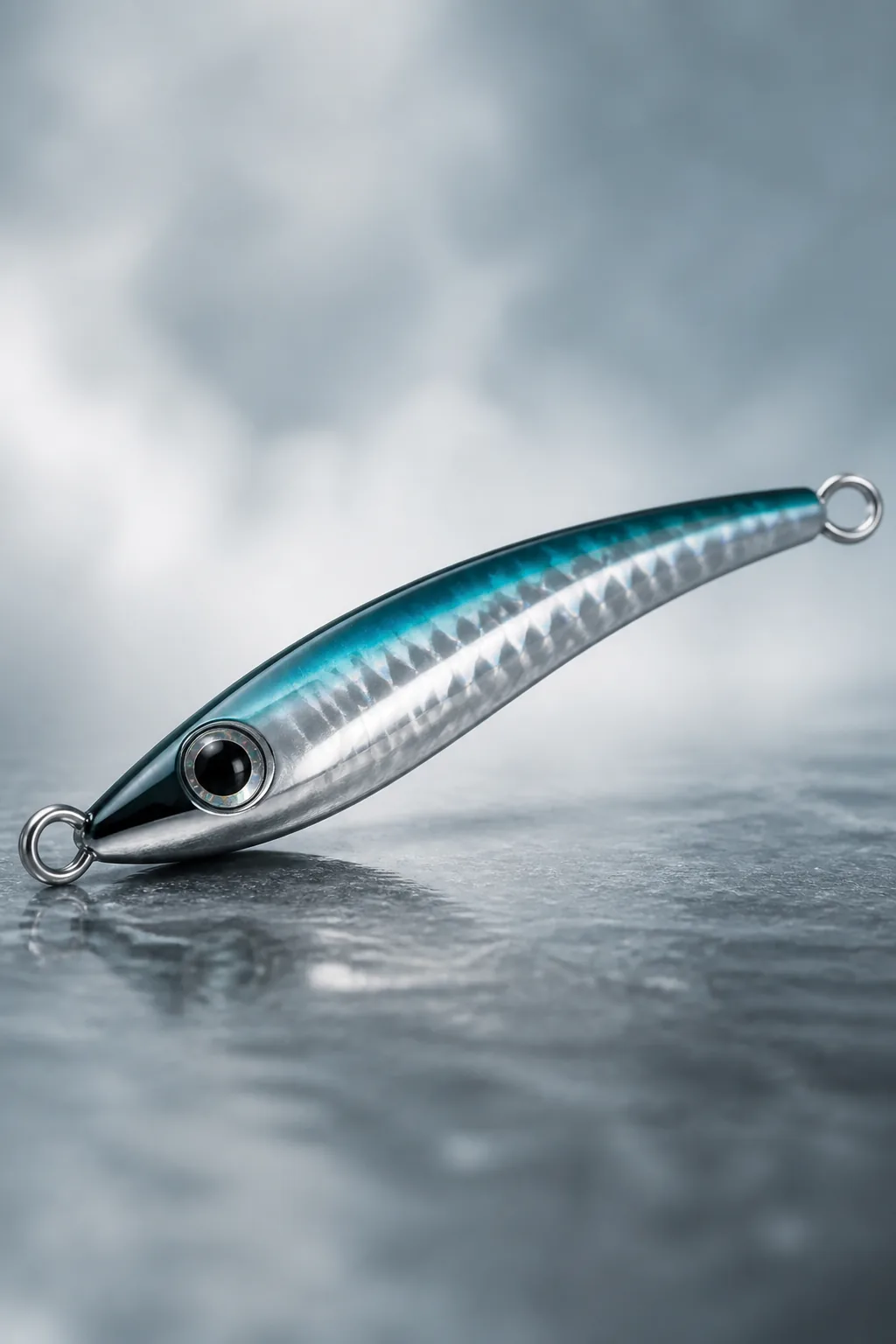
Heritage on every cast.
From chrome irons on Catalina runs to TSP on private boat drifts — the West Coast story continues.
See Techniques